
An Innovative Approach to Vascular Drug Delivery – Cylerus
Original Article Reference
https://doi.org/10.26320/SCIENTIA258
Share Episode

About this episode
This work is licensed under a Creative Commons Attribution 4.0 International License. 
What does this mean?
Share: You can copy and redistribute the material in any medium
or format
Adapt: You can change, and build upon the material for any
purpose, even commercially.
Credit: You must give appropriate credit, provide a link to the
license, and indicate if changes were made.
Related episodes
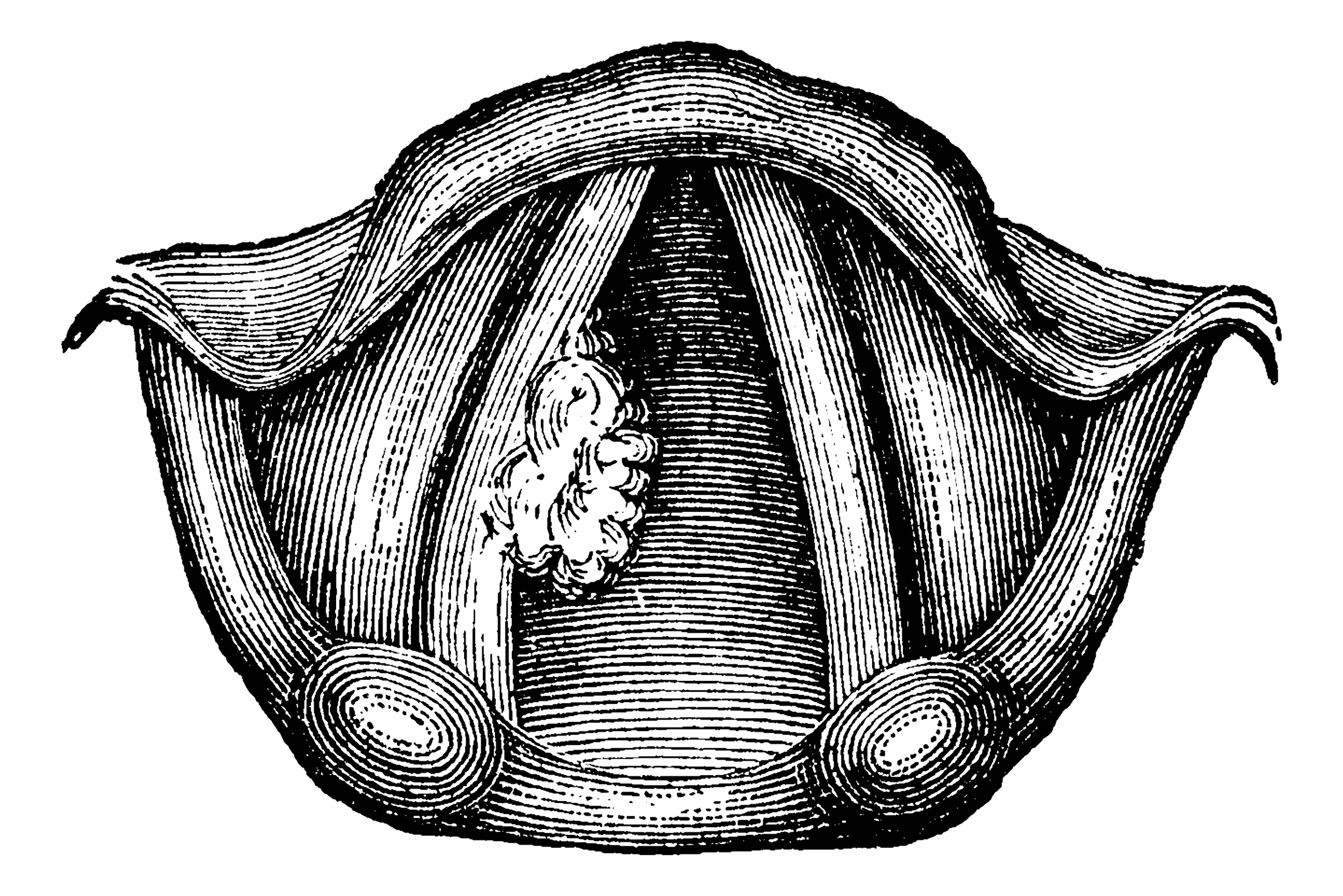
Prof. Dr. Dietmar Thurnher | From Silence to Survival: 150 Years of Laryngectomy and the Future of Voice
In the late nineteenth century, medicine stood at a threshold between desperation and discovery. Cancer of the larynx, the structure that gives us voice and guards our airway, was almost always fatal. Surgeons had few tools and even fewer successes. Then, in 1873, a bold and controversial operation changed everything. Theodor Billroth performed the first total laryngectomy, removing the entire voice box in a human patient. It was a radical act that saved a life, but at the cost of speech and natural breathing. That moment marked the beginning of a long and evolving journey in head and neck cancer care.

Dr. Manreet Bhullar | Invisible Hazards: How Water Shapes the Safety of Hydroponic Food
At first glance, hydroponic farming seems like the future made real. Rows of leafy greens grow indoors, roots suspended in carefully balanced nutrient solutions, untouched by soil and shielded from many of the uncertainties of outdoor agriculture. This method promises efficiency, precision, and sustainability. It uses far less water than traditional farming and produces food in tightly controlled environments. Yet beneath this clean and modern image lies a quieter story about risk, one that flows through the very water that sustains these crops.

Professor Theodore Allen | From Sanitizers to Social Media: The Hidden Science Behind Everyday Choices
When most people think of scientific research, they may imagine test tubes, lab coats, and microscopes. However, many impactful experiments happen not in laboratories, but in office buildings, student unions, and even on social media. In two fascinating studies co-authored by Professor Theodore Allen of The Ohio State University, researchers show how the same rigorous logic that drives cutting-edge chemistry or physics can be applied to practical, everyday challenges, such as where to place a hand sanitizer dispenser or how to convince someone to get vaccinated. The studies, though different in their subjects, share a common theme that data and careful experimental design can make the world cleaner, healthier, and more humane.
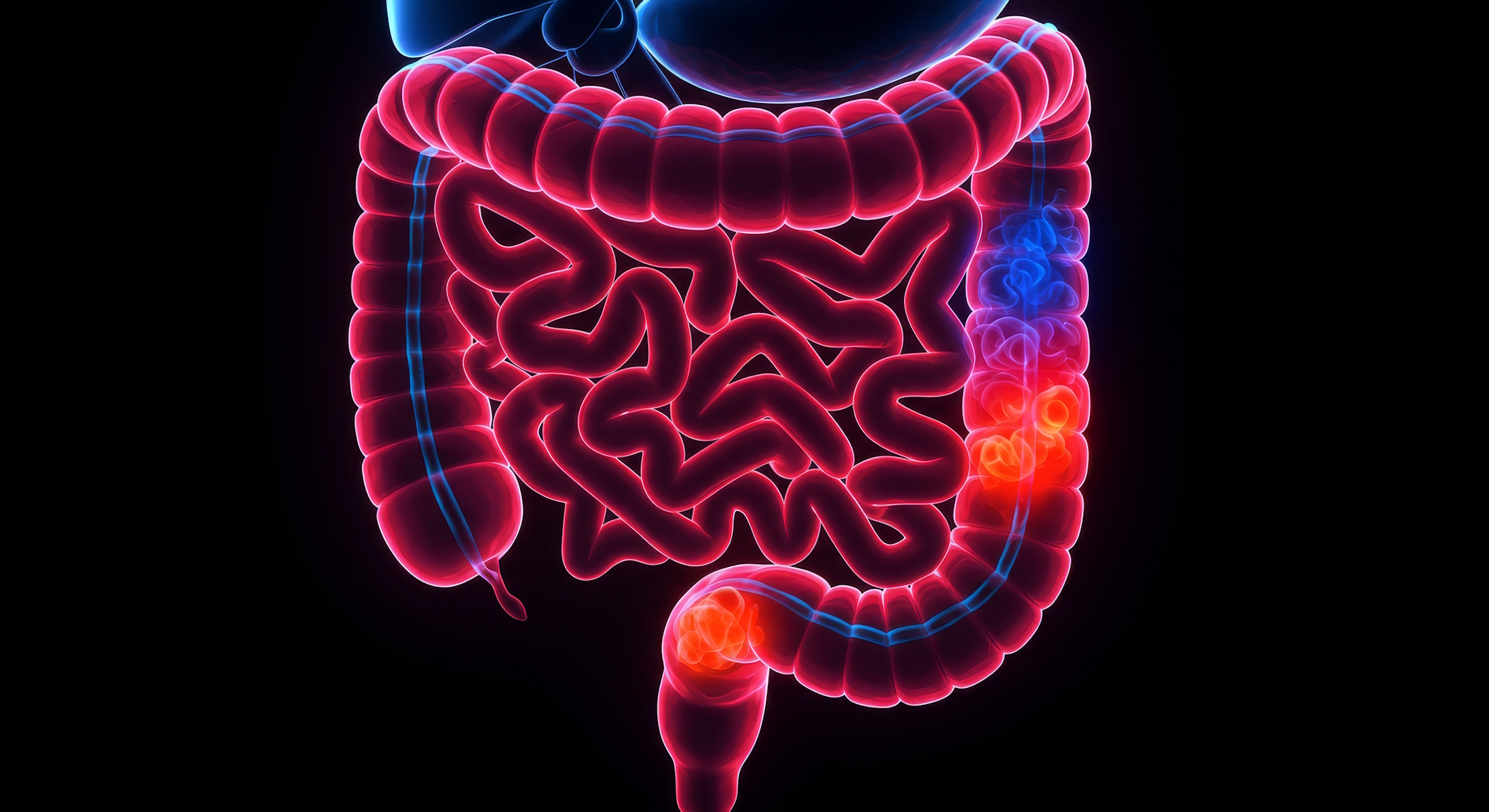
Prof. Dr. Christopher Gerner | Colitis ulcerosa und die verborgene Logik chronischer Erkrankungen
Colitis ulcerosa, oft als UC bezeichnet, ist eine chronisch-entzündliche Erkrankung des Dickdarms, die weltweit immer häufiger auftritt, auch bei Jugendlichen und jungen Erwachsenen. Für viele Patientinnen und Patienten beginnt sie mit subtilen Warnzeichen wie Bauchbeschwerden, Durchfall, Müdigkeit oder Spuren von Blut im Stuhl. Im Laufe der Zeit können sich diese Symptome zu schmerzhaften und beängstigenden Schüben entwickeln, die Ausbildung, Karriere, Familienleben und das emotionale Wohlbefinden beeinträchtigen. Obwohl die moderne Medizin bemerkenswert wirksam darin geworden ist, diese akuten Krankheitsepisoden zu kontrollieren, bleibt UC hartnäckig bestehen. Bei den meisten Betroffenen kehrt die Erkrankung nach Phasen scheinbarer Erholung zurück, manchmal ohne einen offensichtlichen äußeren Auslöser.
Increase the impact of your research
• Good science communication encourages everyday people to be scientifically literate so that they can analyse the integrity and legitimacy of information.
• Good science communication encourages people into STEM-related fields of study and employment.
• Good public science communication fosters a community around research that includes both members of the public, policymakers and scientists.
• In a recent survey, 75% of people suggested they would prefer to listen to an interesting story than read it.
Upload your science paper
Step 2
SciPod script written
Step 3
Voice audio recorded
Step 4
SciPod published