
Linking Rockfalls to Thawing Mountain Permafrost | Dr Florence Magnin
Original Article Reference
This SciPod is a summary of https://doi.org/10.33548/SCIENTIA782
About this episode
Permafrost is key to maintaining the stability of steep mountain slopes. Yet as the climate warms, this frozen ground is becoming increasingly prone to thawing. In some cases, these events can trigger cascades of loose rock, with potentially devastating consequences for surrounding communities. Using a combination of computer modelling, and daring field experiments, Dr Florence Magnin at the Laboratory of Environments, Dynamics and Mountain Territories (EDYTEM) aims to better predict when and where these rockfalls are likely to occur, and how the state of mountain permafrost will evolve in the future.
This work is licensed under a Creative Commons Attribution 4.0 International License. 
What does this mean?
Share: You can copy and redistribute the material in any medium or format
Adapt: You can change, and build upon the material for any purpose, even commercially.
Credit: You must give appropriate credit, provide a link to the license, and indicate if changes were made.
More episodes

Prof. Magdalena Osińska – Dr. Muhammad Alamgir | Green Bonds and a Greener Future: How Smart Finance Can Power the Energy Transition
Imagine if buying a financial investment could help build a wind farm, expand a solar park, or modernise an electricity grid. That is the promise of green bonds, a rapidly growing form of investment designed to fund projects with environmental benefits. As the world searches for practical ways to tackle climate change while meeting rising energy demand, these financial tools are attracting increasing attention from governments, businesses, and investors alike. Yet an important question remains. Do green bonds genuinely make a measurable difference, or are they simply another well-intentioned financial product with limited real-world impact?
Sue Jaffer | Why Better Corporate Governance Could Save England and Wales’ Water Industry
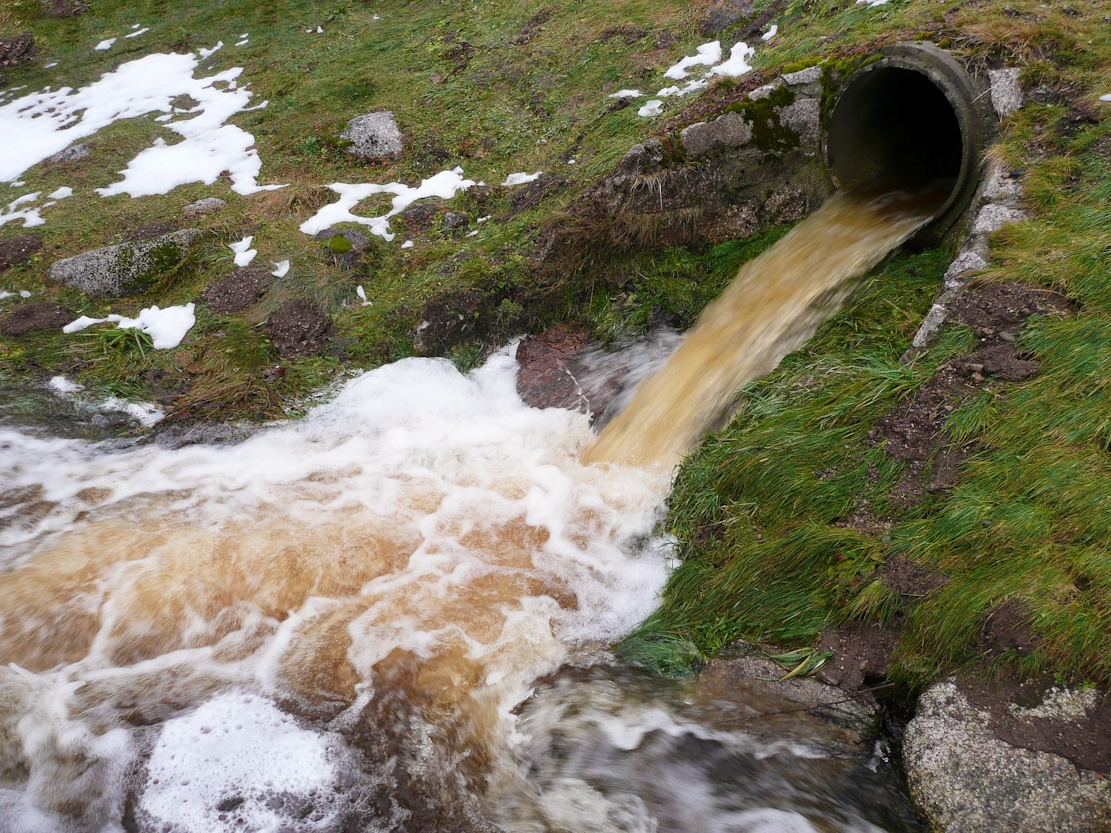
Every time someone turns on a tap, they expect it to work. Clean water should arrive reliably, wastewater should disappear safely, and rivers and beaches should remain healthy for future generations. Most people rarely think about the companies and regulators working behind the scenes because these systems are supposed to function quietly and effectively. Yet in recent years, England and Wales have experienced repeated controversies over sewage pollution, rising public frustration, and questions about the financial health of some water companies. The obvious question is how an industry with extensive regulation could produce such disappointing outcomes.
Dr Ross Wylie | When Floodwaters Rise: What Australia’s Battle with Fire Ants Reveals About Nature’s Great Survivors
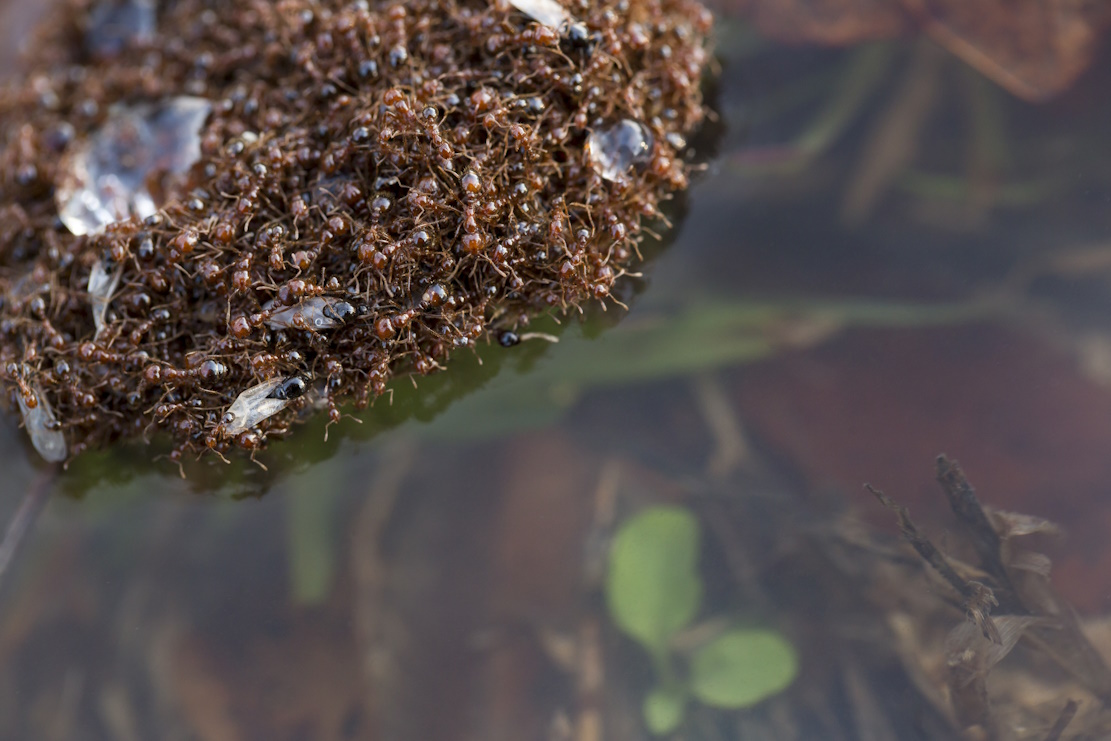
When most of us imagine a flood, we think of destruction, displacement, and recovery. Few would imagine that some of nature’s smallest creatures see floodwaters not only as a threat but also as an opportunity. Among these remarkable survivors is the red imported fire ant, an invasive species that has become one of Australia’s most closely monitored pests. Fire ants are notorious for their painful stings and their ability to spread rapidly across landscapes. Native to South America, they have successfully established themselves in several countries around the world. In Australia, where authorities have invested heavily in an ambitious eradication program, understanding how these ants move and survive is critical. One of the most fascinating questions researchers have explored is whether floods help fire ants spread into new territory. The answer turns out to be more complicated than many people might expect.
Harsanti Morley – Robert Morley | Reading Ancient Pollen to Reconstruct a Lost World in Java
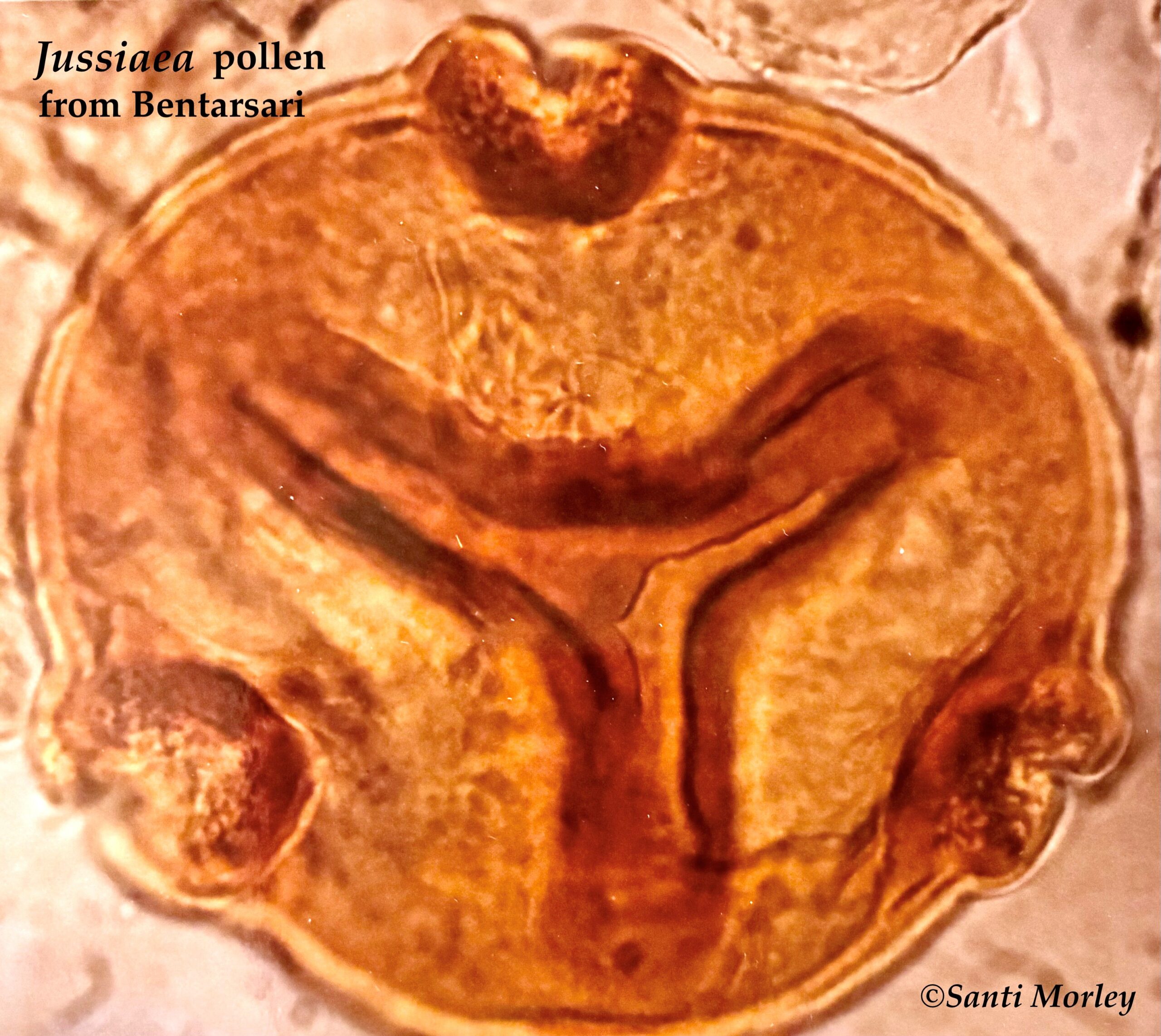
More than a million years ago, the island of Java looked very different from the busy, densely populated place we know today. Vast mangrove forests spread along muddy coastlines. Freshwater swamps stretched inland. Grasslands burned during dry seasons, while volcanic mountains rose in the distance beneath shifting tropical skies. Hidden within these ancient landscapes were animals that no longer exist and environments that shaped some of the earliest chapters of human history in Southeast Asia. A recent study by Harsanti Morley of Palynova Ltd and Robert Morley, who is a research associate at Royal Botanic Gardens, Kew, has opened an extraordinary window into that vanished world. By examining microscopic grains of fossil pollen and spores preserved in ancient rocks from Central Java, the researchers reconstructed ecosystems that existed during the early Pleistocene, a period beginning more than two million years ago. Their work reveals what the landscape looked like, and also how climate, sea levels, vegetation, and wildlife changed through time.
Increase the impact of your research
• Good science communication helps people make informed decisions and motivates them to take appropriate and affirmative action.
• Good science communication encourages everyday people to be scientifically literate so that they can analyse the integrity and legitimacy of information.
• Good science communication encourages people into STEM-related fields of study and employment.
• Good public science communication fosters a community around research that includes both members of the public, policymakers and scientists.
• In a recent survey, 75% of people suggested they would prefer to listen to an interesting story than read it.

Step 1 Upload your science paper
Step 2 SciPod script written
Step 3 Voice audio recorded
Step 4 SciPod published