
Cutting-edge Technology Developing the Hardest Material on Earth – Dr Guodong Zhan, Timothy Eric Moellendick, Dr Duanwei He
Original Article Reference
This SciPod is a summary of: https://doi.org/10.33548/SCIENTIA724
Share Episode

About this episode
Because of its extreme hardness, diamond is used as a cutting material in a multitude of fields, from aerospace engineering to geothermal energy. Using ultra-high pressures and temperatures, scientists have created a new form of diamond, which is now the hardest material known to humankind. Dr Guodong (David) Zhan and Timothy Eric Moellendick at Saudi Aramco, alongside Dr Duanwei He at Sichuan University, are the scientists behind this record-breaking substance, which will serve as an ‘indestructible’ cutting and drilling material.
This work is licensed under a Creative Commons Attribution 4.0 International License. 
What does this mean?
Share: You can copy and redistribute the material in any medium or format
Adapt: You can change, and build upon the material for any purpose, even commercially.
Credit: You must give appropriate credit, provide a link to the license, and indicate if changes were made.
More episodes

Prof. Elizabeth Regan | The Healthcare Revolution That Technology Alone Cannot Deliver
Imagine a patient with several health problems moving through a modern medical system. She may see a family doctor, a specialist, a hospital team, a pharmacist and perhaps a community service. Each professional may be highly skilled. Each organisation may own sophisticated software. Yet the patient can still find herself repeating the same story, carrying information between appointments, waiting for records to arrive and trying to understand who is responsible for what. The individual parts work well, but the journey doesn’t.
Dr. Pranoot Tanpaiboon | Behind Every Reliable Result: Reinventing Quality Control in the Clinical Laboratory
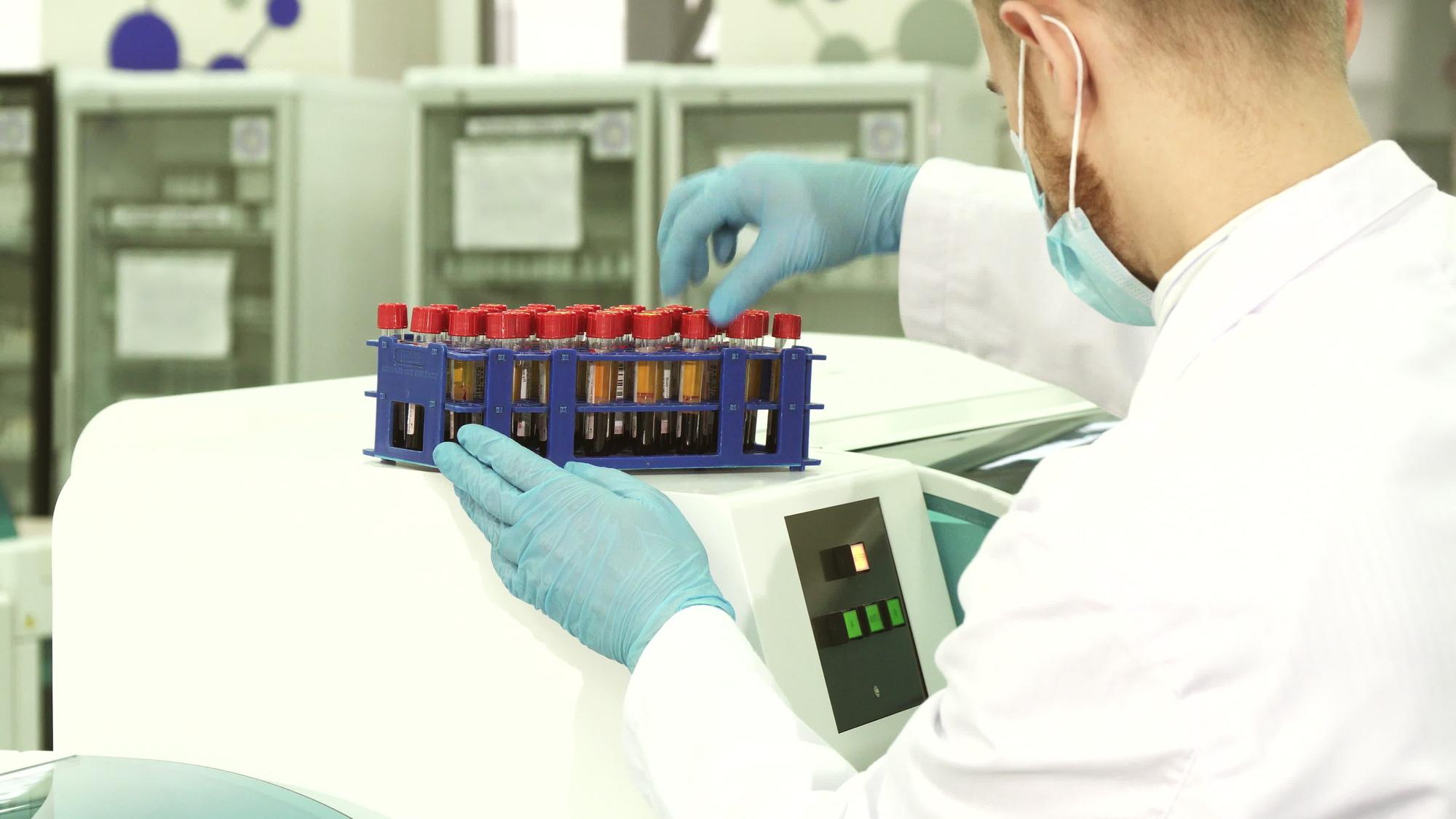
In a clinical laboratory, a number on a screen can shape a life. A test result may help diagnose a rare metabolic disorder, guide treatment, or reassure a family that a feared condition is absent. Before that number reaches a doctor, however, the laboratory has to answer a quieter question: can we trust it? That question is the purpose of quality control, or QC. Laboratories repeatedly test samples with known properties and examine whether their instruments are producing results that remain accurate and precise. When something begins to drift, QC can reveal the problem before unreliable patient results are released. The principle sounds straightforward. In biochemical genetics laboratories, however, the reality is anything but simple.

Dr. Yi Ding | When AI Polishes Our Words, Does It Polish Away Our Feelings?
Every day, millions of people turn to artificial intelligence for help finding the right words. A rough email can become smoother, while a quick product review becomes polished and articulate with a minimum of effort. The changes can seem harmless, and often appear very helpful in clarifying our intended message. But what if polishing our language also quietly changes the emotional signals we had originally intended to convey?

Ben de Vries | The Hidden Netherlands: Inside the Secret World of the Cold War
Every first Monday of the month, at exactly 12.00 hours, warning sirens echo across the Netherlands. For many people they are simply a routine test, a familiar sound that barely interrupts daily life. Yet those sirens are echoes from an age when the possibility of nuclear war shaped government policy, military planning, and even ordinary family life. They are reminders that beneath peaceful towns, quiet rivers, and familiar streets lies another Netherlands, one built in secrecy for a conflict that everyone hoped would never happen.
Increase the impact of your research
• Good science communication helps people make informed decisions and motivates them to take appropriate and affirmative action.
• Good science communication encourages everyday people to be scientifically literate so that they can analyse the integrity and legitimacy of information.
• Good science communication encourages people into STEM-related fields of study and employment.
• Good public science communication fosters a community around research that includes both members of the public, policymakers and scientists.
• In a recent survey, 75% of people suggested they would prefer to listen to an interesting story than read it.
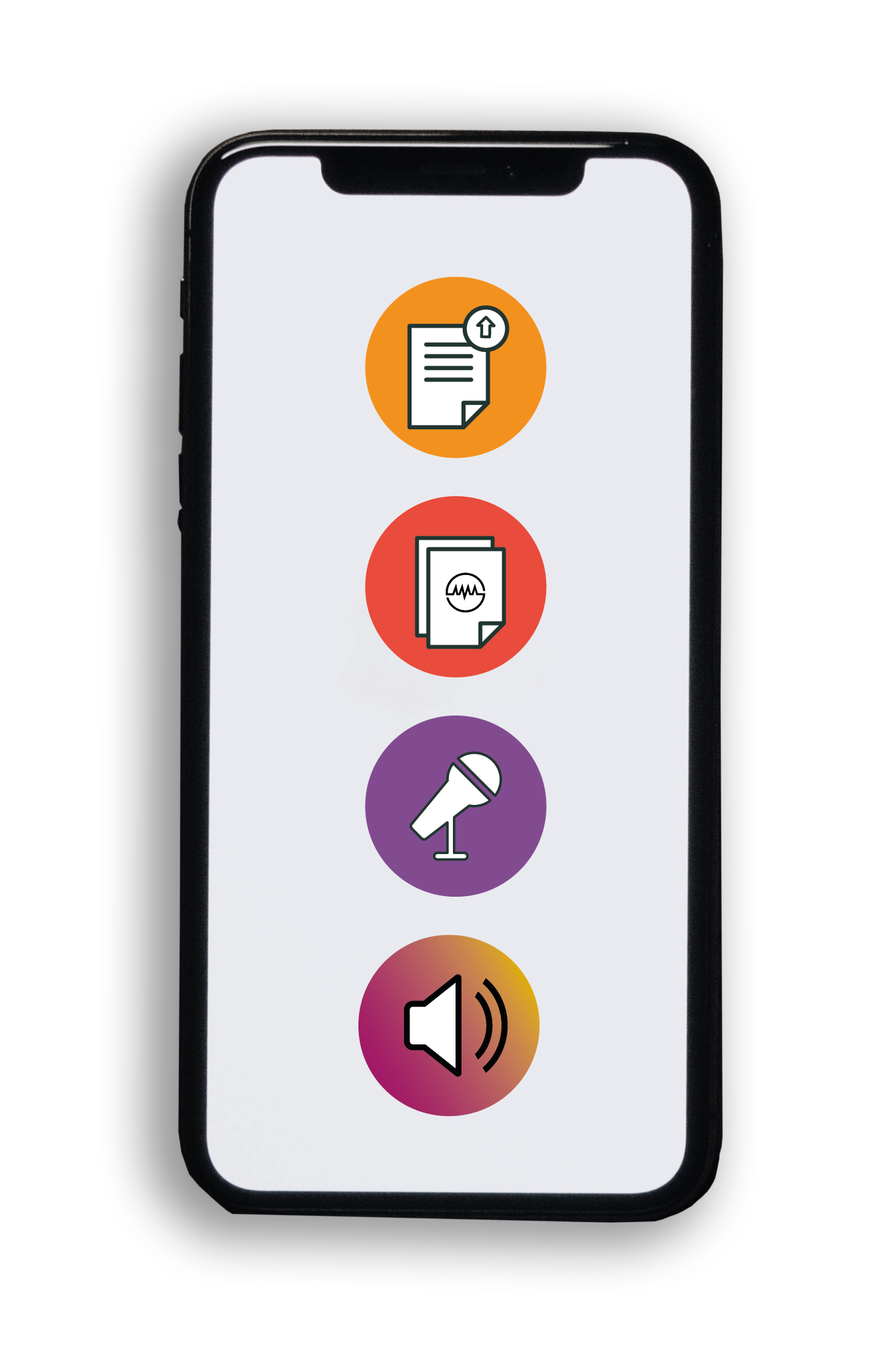
Step 1 Upload your science paper
Step 2 SciPod script written
Step 3 Voice audio recorded
Step 4 SciPod published