Improving The Diagnosis And Treatment Of Neurological Diseases – Dr Arun Swaminathan, University Of Nebraska Medical Center
Original Article Reference
This SciPod is a summary of
https://doi.org/10.33548/SCIENTIA608
Share Episode

About this episode
Medical conditions that affect the brain can have severe impacts on people’s lives. Many of these conditions can be difficult to treat, including epilepsy which affects the brain to cause seizures and the common form of dementia known as Alzheimer’s disease. Dr Arun Swaminathan at the University of Nebraska Medical Center specialises in the treatment of epilepsy. He also collaborates with fellow researchers to explore treatment options for Alzheimer’s disease.
This work is licensed under a Creative Commons Attribution 4.0 International License. 
What does this mean?
Share: You can copy and redistribute the material in any medium or format
Adapt: You can change, and build upon the material for any purpose, even commercially.
Credit: You must give appropriate credit, provide a link to the license, and indicate if changes were made.
More episodes
Dr. Xinyu Chen | The Cell Detectives: How Lasers and Artificial Intelligence Are Transforming Biology
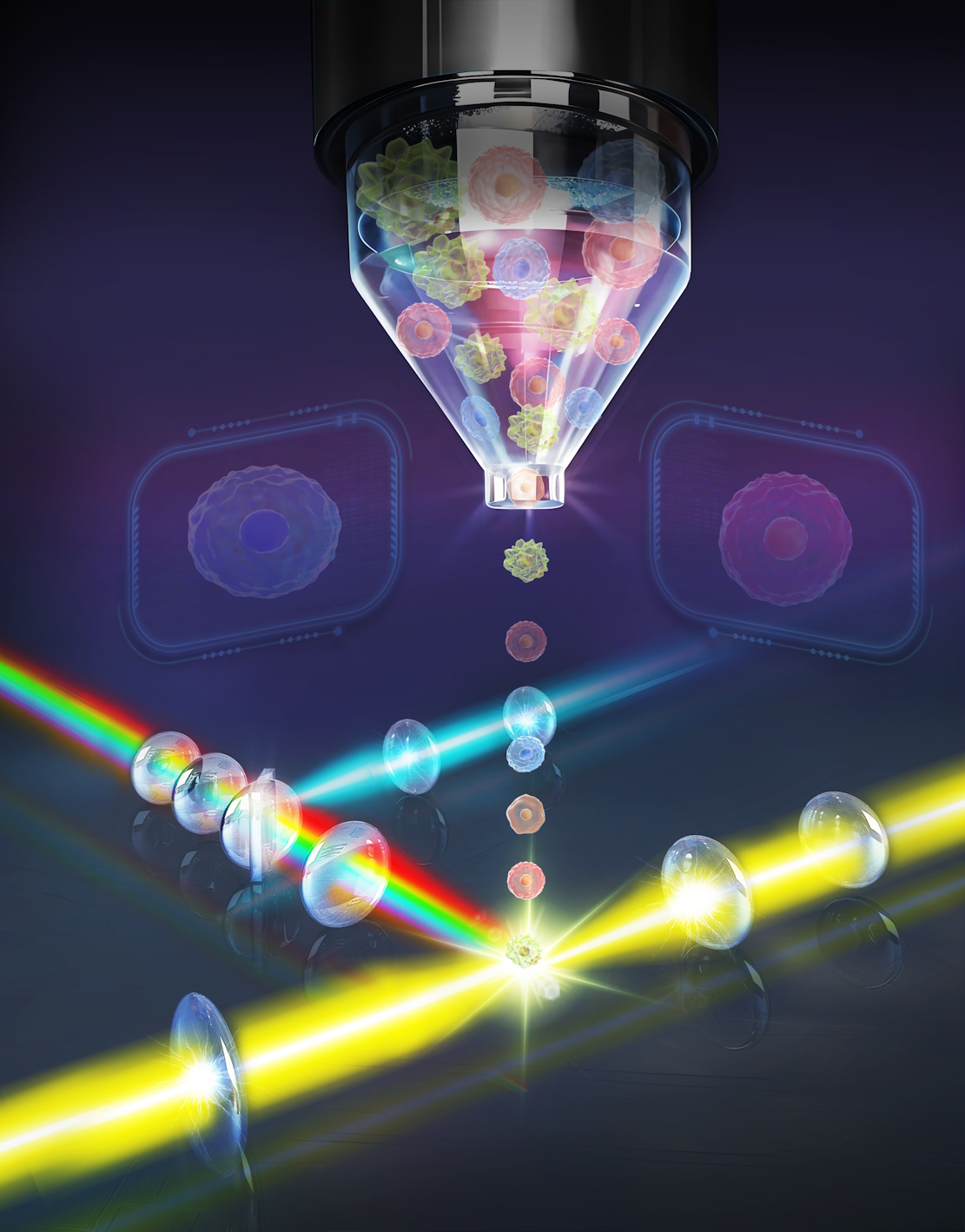
Imagine searching for one unusual face in a stadium packed with thousands of people. Now imagine that every person is moving, the faces are nearly invisible, and you have only a fraction of a second to decide whom to stop. This is remarkably close to the challenge scientists face when they try to identify a particular cell among millions. Yet finding the right cells can help researchers understand disease, investigate immune responses, and discover biological differences that would otherwise remain hidden.
Professor Eric Westhof – Dr. Henri Grosjean | The Hidden Physics of Life: Rethinking the Genetic Code
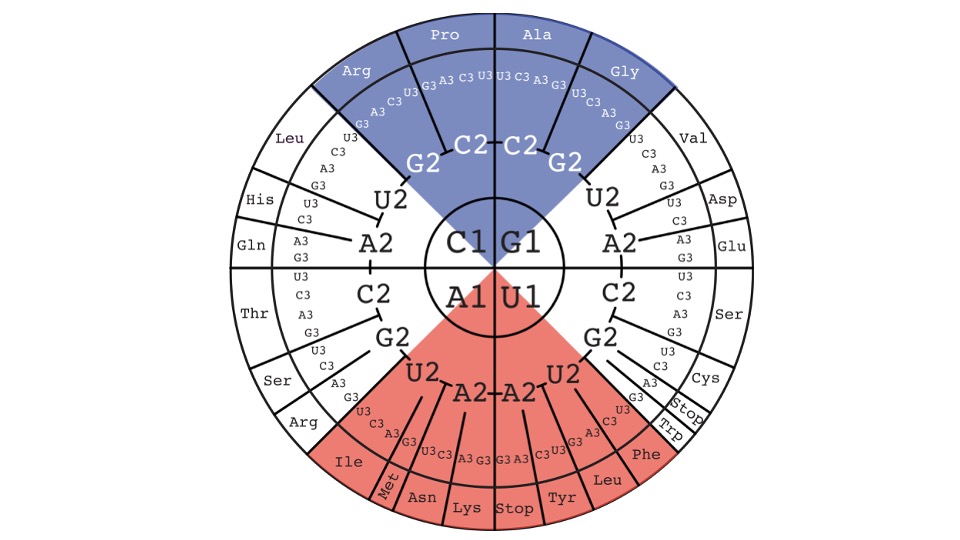
For generations, biology students have encountered the genetic code as a neat table of letters. Across its rows and columns sit combinations such as AUG, GGC and UUU, each pointing to an ingredient used to build proteins. The table is one of science’s great achievements: a compact dictionary connecting genetic information with the molecules that make living cells work. Yet it also raises a question that textbooks rarely explore. Why is the code arranged as it is, and what might we discover by looking at it differently?
Prof. Elizabeth Regan | The Healthcare Revolution That Technology Alone Cannot Deliver
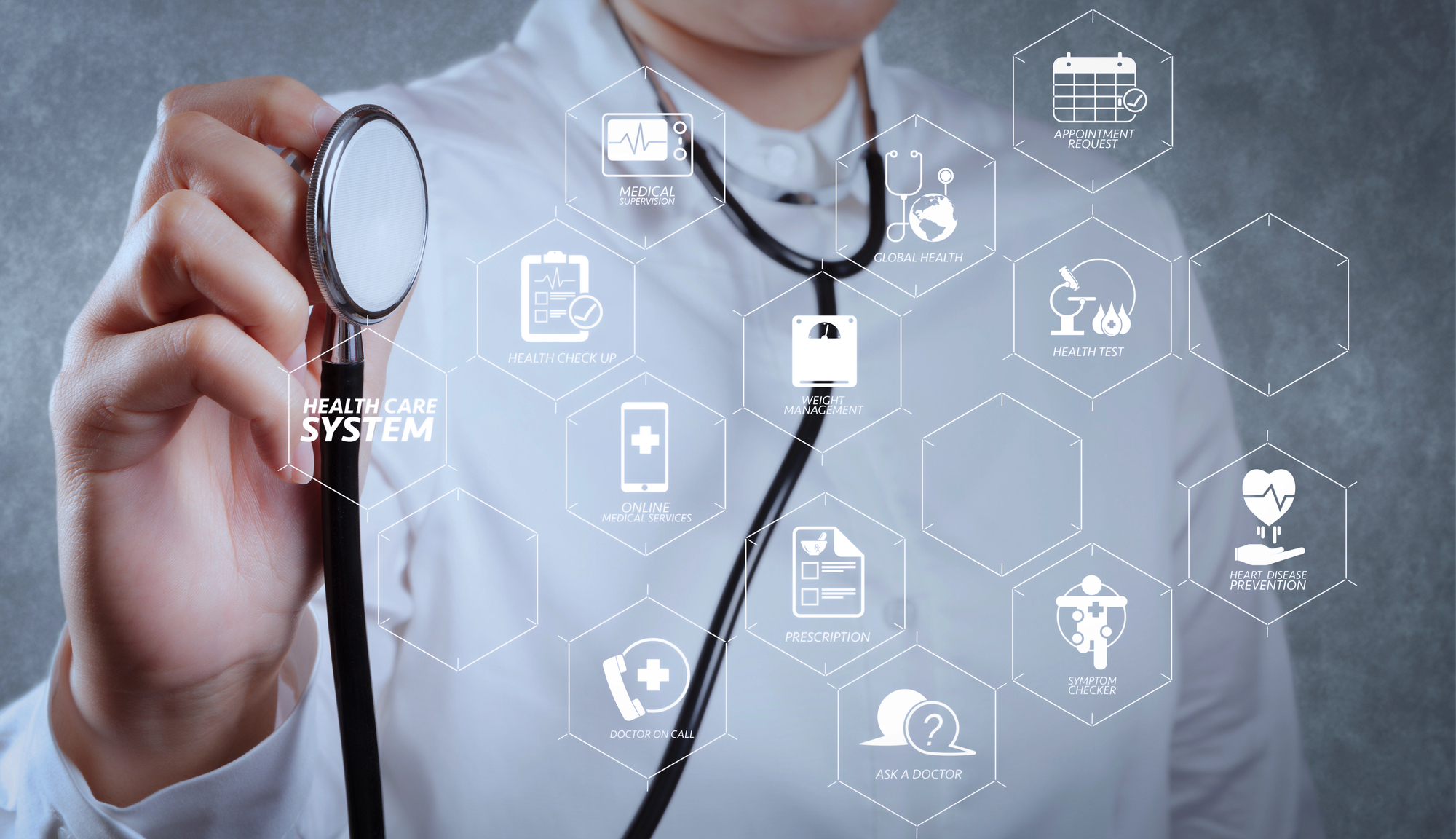
Imagine a patient with several health problems moving through a modern medical system. She may see a family doctor, a specialist, a hospital team, a pharmacist and perhaps a community service. Each professional may be highly skilled. Each organisation may own sophisticated software. Yet the patient can still find herself repeating the same story, carrying information between appointments, waiting for records to arrive and trying to understand who is responsible for what. The individual parts work well, but the journey doesn’t.

Dr Sarah Davies – Dr Clare French | The Vaccine Uptake Recipe: Which Ingredients Work for Different Groups?
Vaccines can prevent serious illness, disability and death, but their benefits depend on people actually receiving them. When vaccination rates fall, the usual question is how to support more people to get vaccinated. Yet that question may be too simple. A reminder, a conversation, a financial incentive or a more convenient clinic can all help, but they do not necessarily help everyone in the same way. That is the central insight emerging from a major analysis led by Dr Sarah Davies and Dr Clare French, both of the University of Bristol, and colleagues. To go beyond asking whether broad categories such as “education” or “improved access” work, the researchers took apart vaccine uptake interventions to examine their individual ingredients. It is a little like studying recipes: knowing that a cake tastes good is useful, but knowing which ingredients make the difference is far more helpful if you want to create a better cake.
Increase the impact of your research
• Good science communication encourages everyday people to be scientifically literate so that they can analyse the integrity and legitimacy of information.
• Good science communication encourages people into STEM-related fields of study and employment.
• Good public science communication fosters a community around research that includes both members of the public, policymakers and scientists.
• In a recent survey, 75% of people suggested they would prefer to listen to an interesting story than read it.
Step 2 SciPod script written
Step 3 Voice audio recorded
Step 4 SciPod published