
Integrating Modelling and Machine Learning for Autonomous Robotics – Dr Paul Robertson, Dynamic Object Language Labs
Original Article Reference
This SciPod is a summary of the paper:
Share Episode

About this episode
Machine learning is rapidly advancing the decision-making capabilities of today’s computers, yet without an in-depth knowledge of the programming it involves, many engineers and researchers find current technology inaccessible. Dr Paul Robertson at Dynamic Object Language Labs (DOLL) in Massachusetts believes that a solution to the issue may have been hidden in plain sight: machine learning itself. His ideas have now culminated in ‘Pamela’: a universal, open-source language capable of modelling real-world systems, and building plans to overcome challenges. The language and its related tools could soon open up significant opportunities in the emerging field of artificial intelligence.
This work is licensed under a Creative Commons Attribution 4.0 International License. 
What does this mean?
Share: You can copy and redistribute the material in any medium or format
Adapt: You can change, and build upon the material for any purpose, even commercially.
Credit: You must give appropriate credit, provide a link to the license, and indicate if changes were made.
Related episodes

Dr. Yi Ding | When AI Polishes Our Words, Does It Polish Away Our Feelings?
Every day, millions of people turn to artificial intelligence for help finding the right words. A rough email can become smoother, while a quick product review becomes polished and articulate with a minimum of effort. The changes can seem harmless, and often appear very helpful in clarifying our intended message. But what if polishing our language also quietly changes the emotional signals we had originally intended to convey?
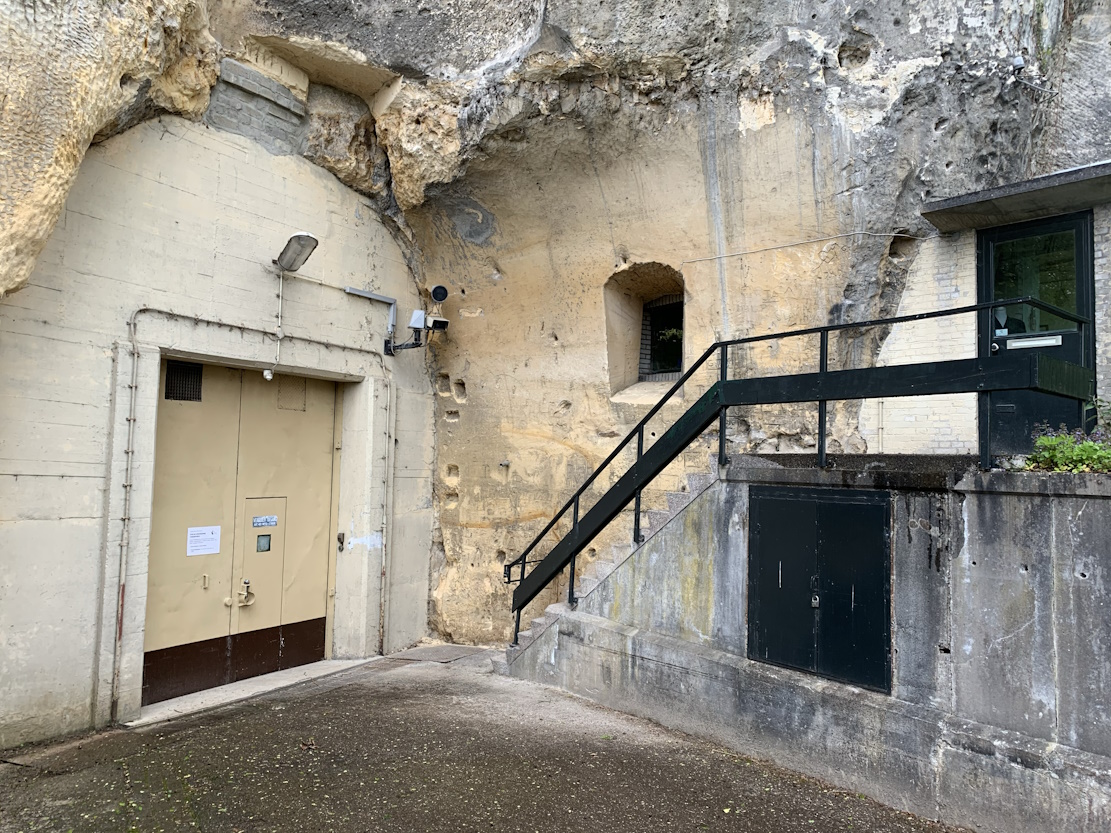
Ben de Vries | The Hidden Netherlands: Inside the Secret World of the Cold War
Every first Monday of the month, at exactly 12.00 hours, warning sirens echo across the Netherlands. For many people they are simply a routine test, a familiar sound that barely interrupts daily life. Yet those sirens are echoes from an age when the possibility of nuclear war shaped government policy, military planning, and even ordinary family life. They are reminders that beneath peaceful towns, quiet rivers, and familiar streets lies another Netherlands, one built in secrecy for a conflict that everyone hoped would never happen.

Dr. Fay Betsou | The Hidden Life of a Biospecimen: Why Better Medical Research Begins Before the Laboratory Assay
To most of us, a vial of blood looks like a simple container of biological truth, a snapshot of what was happening inside a person at the moment the needle entered their arm. Scientists can measure its proteins, read genetic material, hunt for signs of disease, and feed the resulting data into increasingly powerful analytical systems. Yet that vial has a history. How long did it sit before processing? At what temperature? What kind of tube held it? Was it spun, transported, frozen, thawed, or stored? Each step may quietly change what researchers later believe they are seeing.
Prof. Shan Lu | Inducing Polyfunctional Antibodies: A Promising Chapter in the Long Search for an HIV Vaccine
For more than four decades, HIV has challenged some of the brightest scientific minds in the world. Tremendous progress has transformed HIV from what was once almost always a fatal infection into a condition that can often be managed with modern medicines. Preventive treatments have also become increasingly effective. Yet millions of people continue to become infected every year, particularly in regions where access to healthcare remains limited. A safe, effective preventive HIV vaccine remains one of the greatest goals in global medicine because it has the potential to provide large-scale, long-lasting prevention for large numbers of high-risk populations.
Increase the impact of your research
• Good science communication helps people make informed decisions and motivates them to take appropriate and affirmative action.
• Good science communication encourages everyday people to be scientifically literate so that they can analyse the integrity and legitimacy of information.
• Good science communication encourages people into STEM-related fields of study and employment.
• Good public science communication fosters a community around research that includes both members of the public, policymakers and scientists.
• In a recent survey, 75% of people suggested they would prefer to listen to an interesting story than read it.
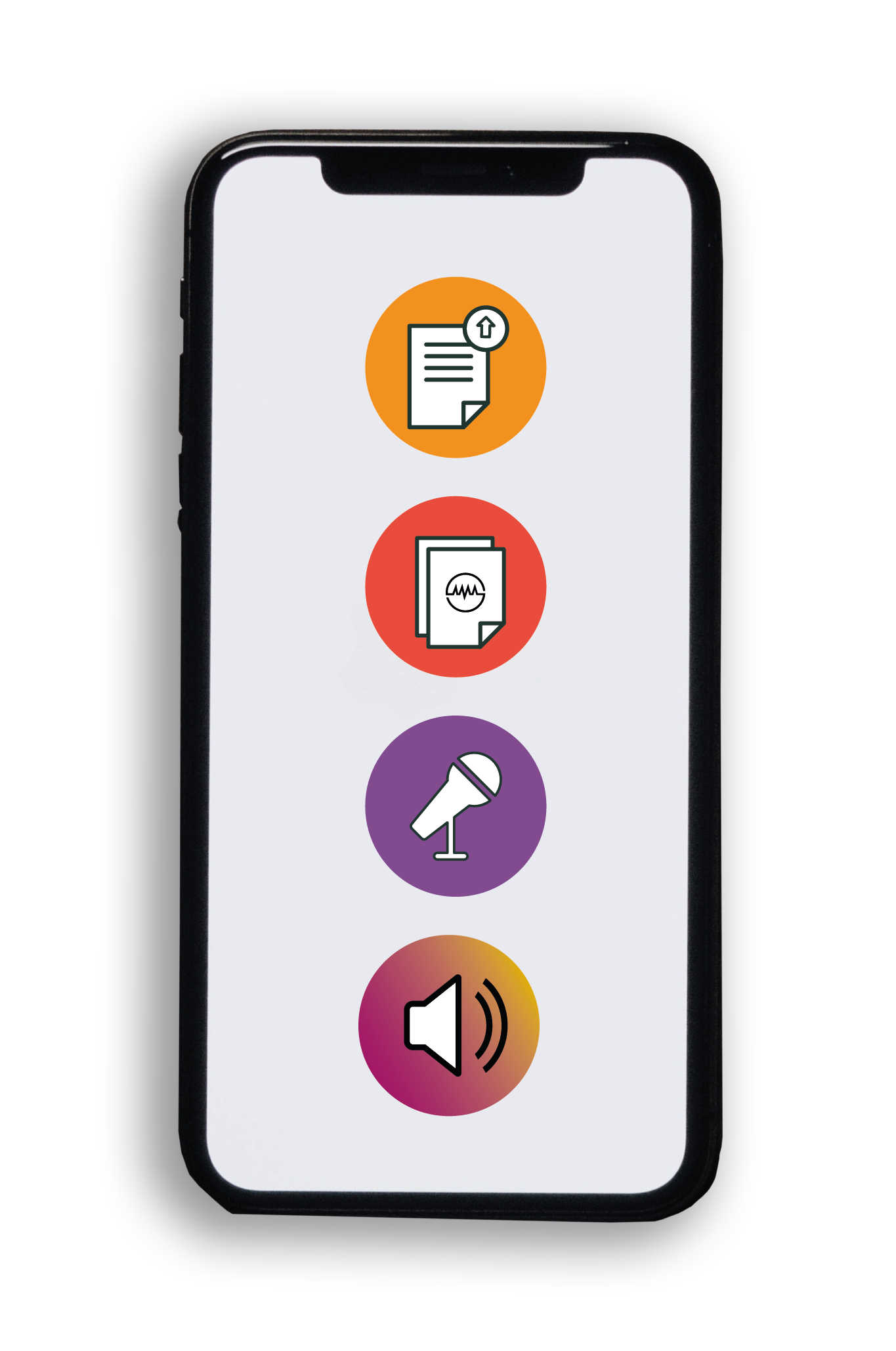
Step 1 Upload your science paper
Step 2 SciPod script written
Step 3 Voice audio recorded
Step 4 SciPod published