vObjects: A Virtual Tool for Grasping Engineering Concepts – Dr Diana Bairaktarova, Virginia Tech
Original Article Reference
https://doi.org/10.33548/SCIENTIA504
Share Episode

About this episode
Engineering students can benefit greatly from interacting with physical objects whose attributes mimic those of real-world systems. So far, however, objects that do this effectively have proven to be extremely difficult to create. To solve the problem, Dr Diana Bairaktarova at Virginia Tech suggests that taught engineering courses could recreate practical situations more reliably using virtual objects, or ‘vObjects’. If her approach becomes widely adopted, it could transform how engineering students learn to apply their skills to complex, often unpredictable scenarios.
This work is licensed under a Creative Commons Attribution 4.0 International License. 
What does this mean?
Share: You can copy and redistribute the material in any medium or format
Adapt: You can change, and build upon the material for any purpose, even commercially.
Credit: You must give appropriate credit, provide a link to the license, and indicate if changes were made.
Related episodes
Dr Marie McGregor | Why Gifted Students Need More Than Ability to Thrive in Science
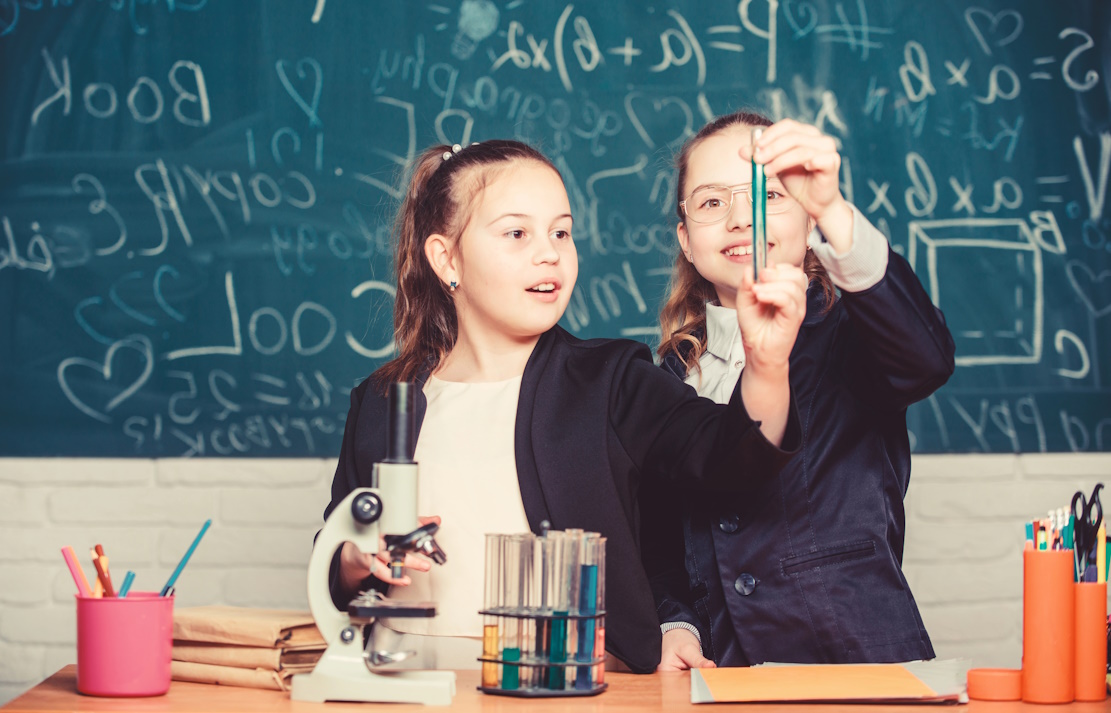
Walk into any classroom, and some students immediately attract attention. They ask thoughtful questions, solve complex problems quickly and display an enthusiasm that inspires those around them. Some may describe these students as gifted. However, others with equally advanced potential may be less visible: they may sit quietly, avoid drawing attention to themselves, rarely volunteer answers or appear disengaged. As a result, their abilities may go unnoticed. While ability and achievement are important, they do not tell the whole story and do not guarantee confidence, resilience, or lasting motivation.
Prof. Jean-Sébastien Delisle – Dr Mélanie Dieudé | The Medicine Is Ready. Is the Health System?
A medical breakthrough is only truly a breakthrough if it can reach the person who needs it. That simple idea sits at the heart of a rapidly growing challenge in cell therapy, gene therapy and regenerative medicine. These treatments are beginning to change what doctors can offer people with serious cancers, rare genetic conditions and other diseases once considered extraordinarily difficult to treat. Some therapies can reprogram a patient’s own cells to attack cancer. Others aim to repair or replace faulty biological instructions. Their promise can sound futuristic, yet the central problem is increasingly practical: how do we turn remarkable science into care that is affordable, timely and available to everyone who could benefit?

Prof. Dr. Jörg Meyer | When Greener Plastic Sees the Light
Most of us rarely wonder what a bicycle headlamp, ceiling light or LED lens is made from. We notice whether it shines brightly, survives heat and weather, and keeps working for years. Yet hidden inside many lighting products are transparent plastics whose environmental credentials are less attractive than their optical performance. Common materials such as polycarbonate and polymethyl methacrylate are generally fossil based and resist degradation. Replacing them involves more than just choosing a greener plastic. A material that guides light must remain clear, strong, dimensionally stable and reliable while being exposed to the destructive forces of heat and light.
Dr. Gary Blau – Dr. Kyle Stephens | The Hidden Costs of the Digital Workplace: Why Employee Deviant Work Behaviour Needs an Additional Lens
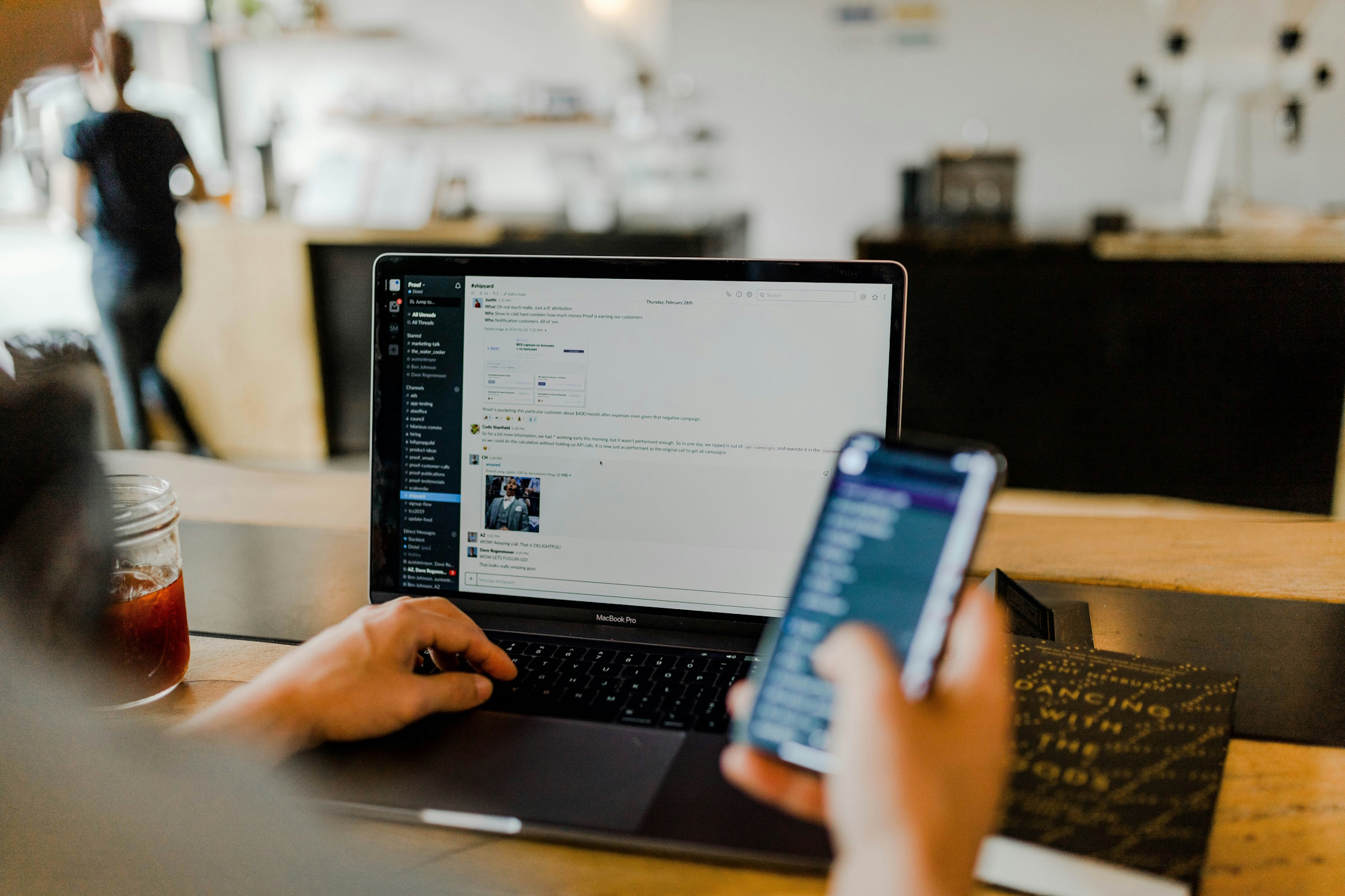
The work of Dr. Gary Blau and Dr. Kyle Stephens of Temple University, Philadelphia, Pennsylvania, USA asks an important question that is becoming increasingly relevant around the world. If the workplace has fundamentally changed, shouldn’t the way we measure employee deviant work behaviour change too? Their research argues the answer is yes because the consequences reach far beyond academic debate. Traditional work behaviour deviance examples include: someone deliberately arrives late, spending long coffee breaks chatting with colleagues, or working more slowly than usual. Others are spreading rumours, bullying coworkers, or damaging company property. These are the kinds of in-person, on-site deviant behaviours researchers have investigated, that is, why employees sometimes act against the interests of employing organisations.
Increase the impact of your research
• Good science communication encourages everyday people to be scientifically literate so that they can analyse the integrity and legitimacy of information.
• Good science communication encourages people into STEM-related fields of study and employment.
• Good public science communication fosters a community around research that includes both members of the public, policymakers and scientists.
• In a recent survey, 75% of people suggested they would prefer to listen to an interesting story than read it.
Step 1 Upload your science paper
Step 2 SciPod script written
Step 3 Voice audio recorded
Step 4 SciPod published