
Improving Wildlife Surveys With Advanced Genetic And Statistical Tools – Dr Martin Schultz
Original Article Reference
This SciPod is a summary of the paper ‘Inference of genetic marker concentrations from field surveys to detect environmental DNA using Bayesian updating’, from PLOS One. https://doi.org/10.1371/journal.pone.0190603
Share Episode

About this episode
Advancements in genetic technologies have provided new wildlife survey tools that are more efficient, less expensive, and allow scientists to detect species that are otherwise difficult to observe. Detection of environmental DNA (eDNA) shed into water or soil by wildlife, is one such tool. Through a multi-year study of Asian carp eDNA in the Chicago Area Waterway System, Dr Martin Schultz of the United States Army Corps of Engineers has been developing new methods that combine genetic techniques with powerful statistical models to estimate the Asian carp eDNA concentrations in waterways.
This work is licensed under a Creative Commons Attribution 4.0 International License. 
What does this mean?
Share: You can copy and redistribute the material in any medium or format
Adapt: You can change, and build upon the material for any purpose, even commercially.
Credit: You must give appropriate credit, provide a link to the license, and indicate if changes were made.
Related episodes

Professor Saji George | When “Safe” Isn’t Safe Enough: What Hidden Fungal Toxins in Cannabis Could Mean for Public Health
Cannabis legalization in Canada was meant to bring transparency, consistency, and safety to a rapidly growing industry. Products sold through regulated channels are tested, packaged, and monitored under strict federal rules. For many consumers, especially medical patients, that regulatory seal offers reassurance that the product they are using has been carefully vetted for health risks. But new research at McGill University suggests that potentially harmful fungal toxins can persist in cannabis products even after they undergo standard decontamination processes and meet existing regulatory thresholds. Their findings raise important questions about whether current definitions of cannabis safety are sufficient to protect consumers, particularly those in higher-risk groups.
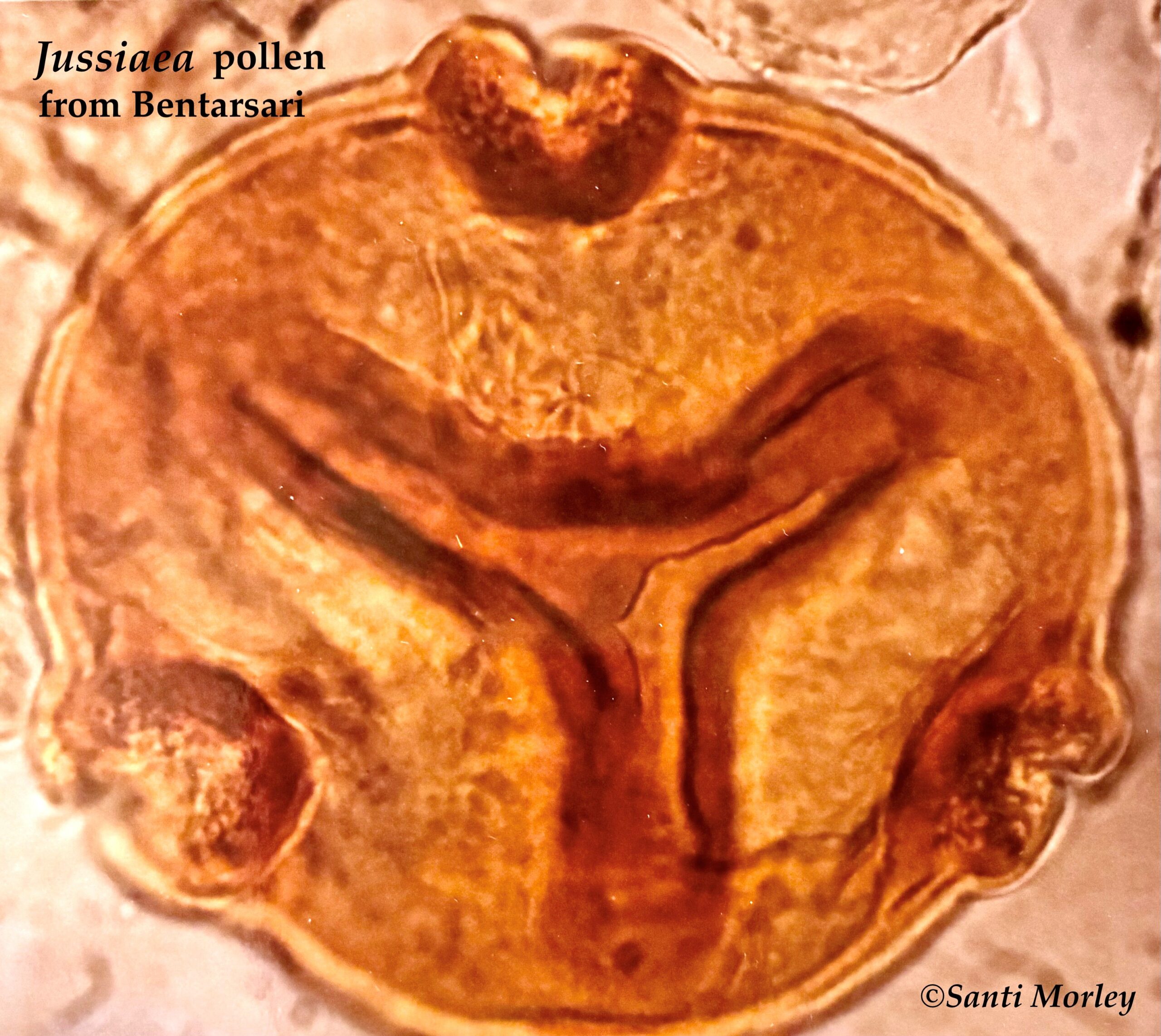
Harsanti Morley – Robert Morley | Reading Ancient Pollen to Reconstruct a Lost World in Java
More than a million years ago, the island of Java looked very different from the busy, densely populated place we know today. Vast mangrove forests spread along muddy coastlines. Freshwater swamps stretched inland. Grasslands burned during dry seasons, while volcanic mountains rose in the distance beneath shifting tropical skies. Hidden within these ancient landscapes were animals that no longer exist and environments that shaped some of the earliest chapters of human history in Southeast Asia. A recent study by Harsanti Morley of Palynova Ltd and Robert Morley, who is a research associate at Royal Botanic Gardens, Kew, has opened an extraordinary window into that vanished world. By examining microscopic grains of fossil pollen and spores preserved in ancient rocks from Central Java, the researchers reconstructed ecosystems that existed during the early Pleistocene, a period beginning more than two million years ago. Their work reveals what the landscape looked like, and also how climate, sea levels, vegetation, and wildlife changed through time.

Prof. Alex Vitkin | Seeing the Invisible: How Polarized Light Contributes to Our Understanding and Detection of Cancer
Light is something we encounter every day, so familiar that it rarely inspires a second thought. Yet beneath its apparent simplicity lies a remarkable complexity. Light can carry information in its brightness and color, but also in its polarization and phase, subtle properties that describe how its waves oscillate and interact. For decades, these hidden dimensions of light have remained largely untapped in medicine. Now, a growing body of research is beginning to reveal their extraordinary potential.
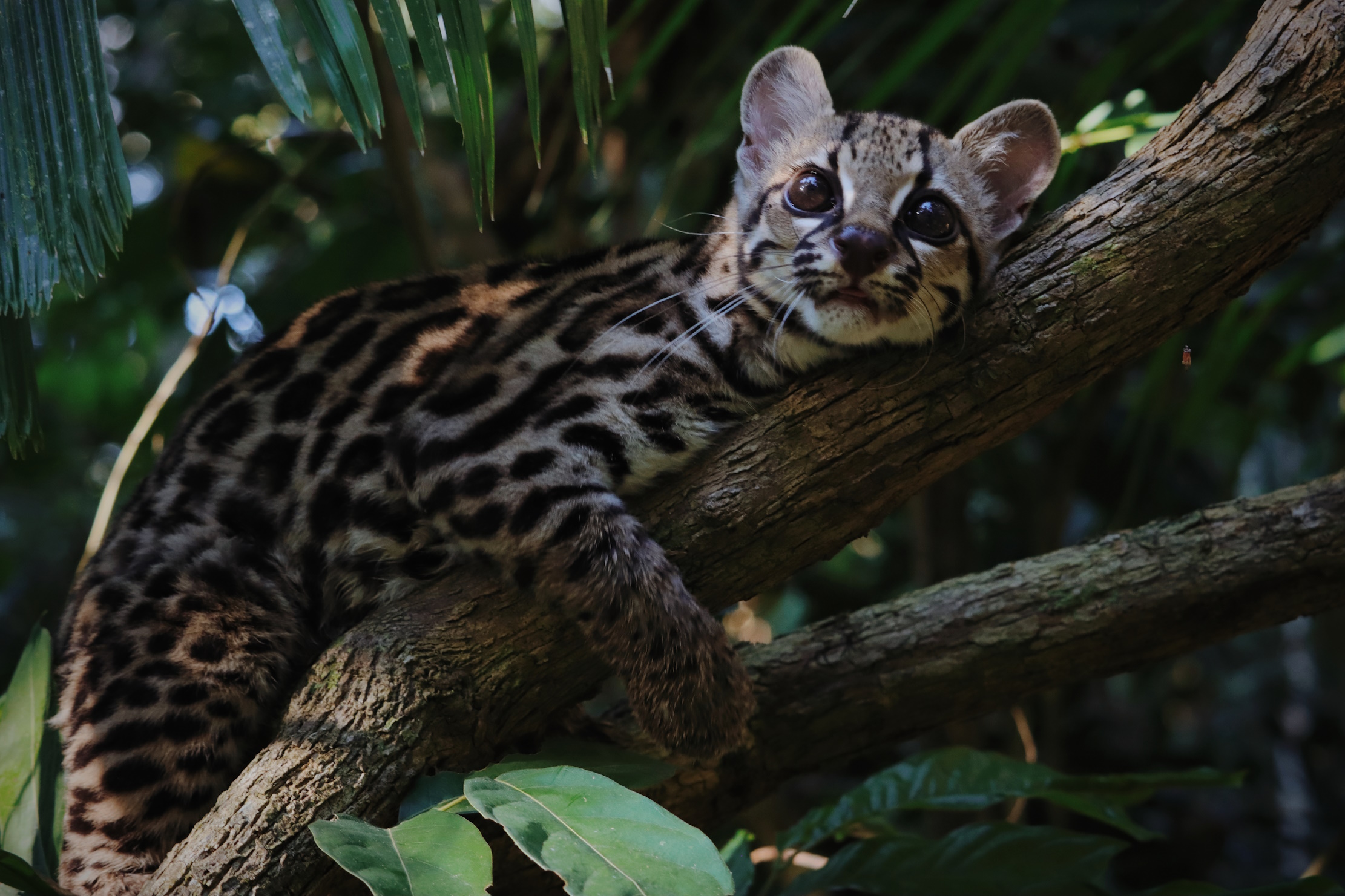
Dr. Samantha Zwicker | The Secret Life of the Margay in Peru’s Rainforest
Deep in the Amazon rainforest of southeastern Peru, one of the world’s most elusive wild cats slips silently through the trees. Smaller than a jaguar and far less famous than a tiger, the margay is a master of the canopy, moving through tangled branches with extraordinary agility. For decades, scientists have struggled to understand this mysterious feline because it is rarely seen, mostly active at night, and equally comfortable on the ground and high above it. Now, a new study conducted by Dr. Samantha Zwicker of Hoja Nueva, a conservation nonprofit rooted in Madre de Dios, Peru, and colleagues, is shedding light on the hidden world of the margay in the Madre de Dios region of Peru. By combining ground cameras with lower-canopy cameras placed at natural margay choke points, the team captured both sides of cats moving up and down trees – a practical, lower-cost alternative to labor-intensive upper-canopy surveys.
Increase the impact of your research
• Good science communication encourages everyday people to be scientifically literate so that they can analyse the integrity and legitimacy of information.
• Good science communication encourages people into STEM-related fields of study and employment.
• Good public science communication fosters a community around research that includes both members of the public, policymakers and scientists.
• In a recent survey, 75% of people suggested they would prefer to listen to an interesting story than read it.

Step 1 Upload your science paper
Step 2 SciPod script written
Step 3 Voice audio recorded
Step 4 SciPod published