
Teaching Change Bioculturally Grounded, Place – Based Environmental Education In Hawaiʻi
Original Article Reference
https://doi.org/10.33548/SCIENTIA424
Share Episode

About this episode
With ongoing climate change, land use change, and changing disturbance regimes that negatively impact Earth’s ecosystems, it is critical that educators convey the importance of safeguarding the natural environment to younger generations to prepare them to face current and future environmental challenges. Teaching Change comprises a collection of innovative programs aimed at strengthening the relationship between youth and nature in Hawaiʻi while also inspiring Hawaii’s youth to become the next generation of natural resource scientists and managers. Teaching Change addresses this mission through immersive, place-based, outdoor Field Courses for local students, and Teacher Training Workshops for local teachers.
This work is licensed under a Creative Commons Attribution 4.0 International License. 
What does this mean?
Share: You can copy and redistribute the material in any medium or format
Adapt: You can change, and build upon the material for any purpose, even commercially.
Credit: You must give appropriate credit, provide a link to the license, and indicate if changes were made.
Related episodes
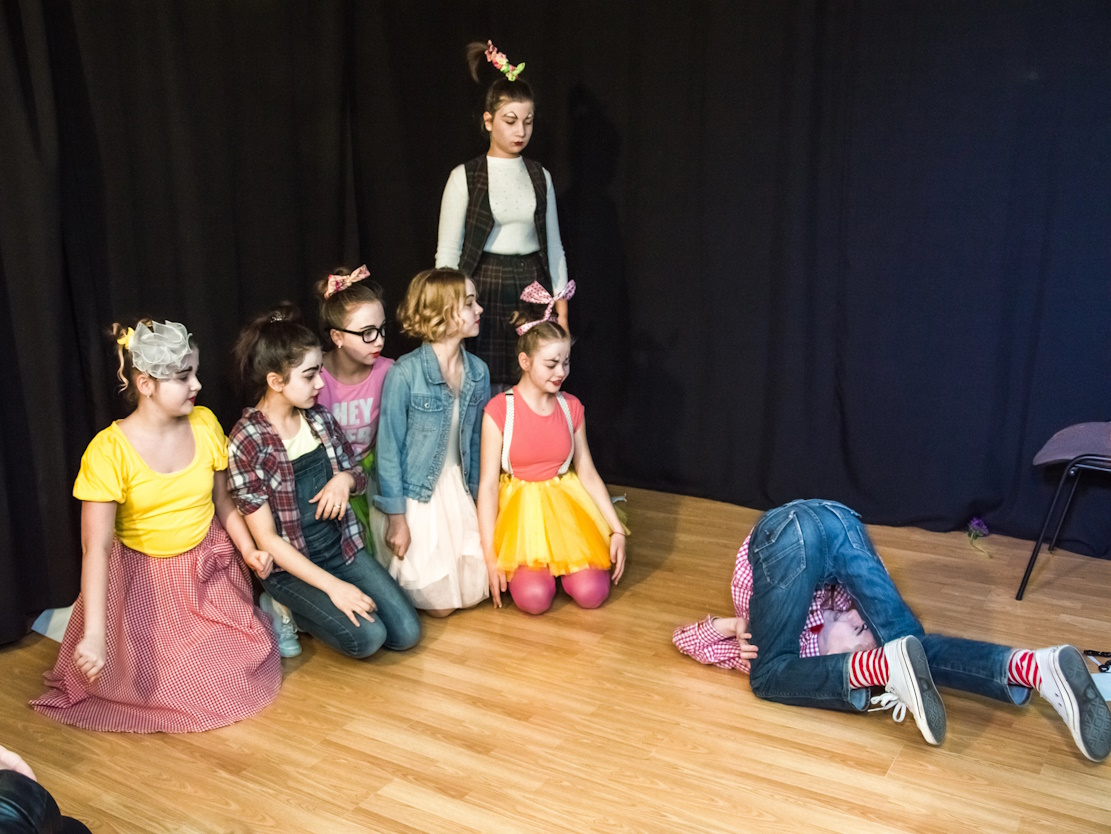
Prof. Dr. Winnie-Karen Giera | Beyond the Classroom: How Theatre Can Help Children and Teens Read, Connect, and Belong
Imagine walking into a classroom where reading aloud feels like stepping onto a stage. For some children, the prospect is thrilling. For others, it is terrifying. Words can stumble, classmates can stare, and a simple sentence can become a public test of confidence. Now imagine that same classroom transformed into a theatre company, where every voice matters, mistakes become part of rehearsal, and the story belongs to everyone. Could performing together help children become stronger readers while also learning how to treat one another?

Dr. Howie Wu | When Support Disappears: Rethinking a Good Adult Life for Autistic Young People
Turning eighteen is often presented as a doorway to independence. For many autistic young people, however, it can feel more like reaching the edge of a map. Supports available through childhood may suddenly shrink or disappear just as adult life becomes more complicated. Education, employment, relationships, independent living and healthcare can all demand new forms of navigation at once. This abrupt loss of support is sometimes described as a “services cliff”, and it helps explain why the transition into adulthood deserves far more attention than it has traditionally received.

Prof. Dr. Winnie-Karen Giera | Learning to Argue: How Debate, Planning and Strategy Can Build Better Writers
What happens between having an opinion and writing a convincing argument? For many teenagers, the distance is surprisingly large. A student may argue energetically with friends, spot weaknesses in someone else’s reasoning, and explain why a rule seems unfair, yet struggle when asked to turn those abilities into a formal essay. On the page, there is no opponent waiting to respond and no immediate question demanding clarification. The writer has to create that dialogue alone.
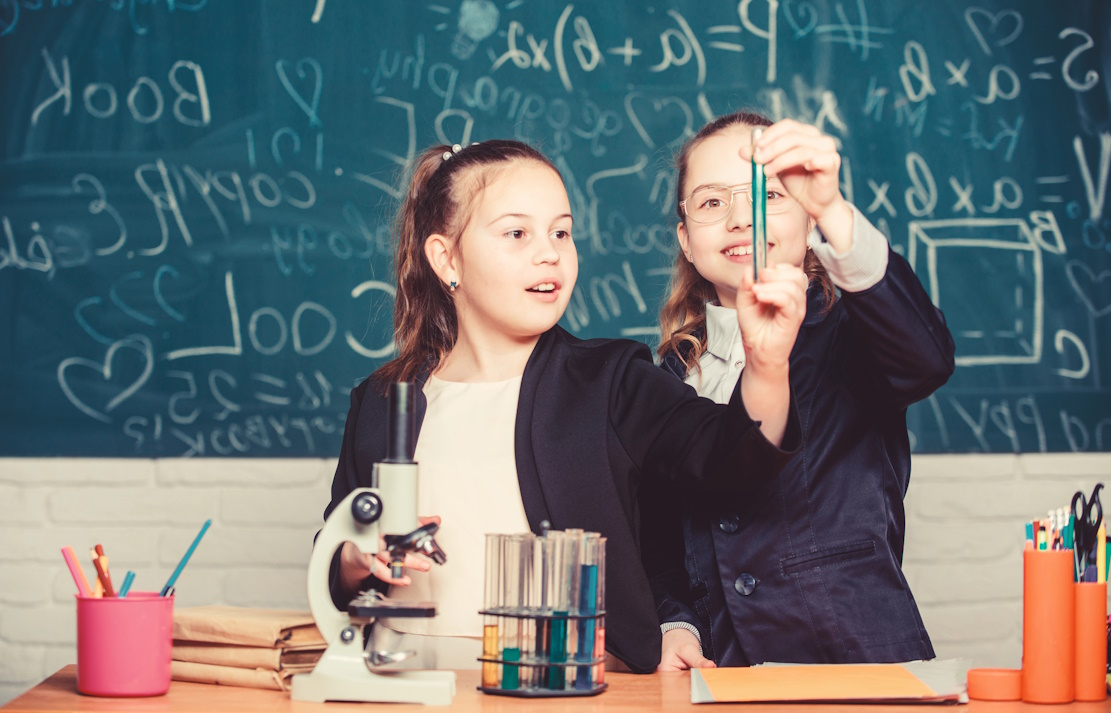
Dr Marie McGregor | Why Gifted Students Need More Than Ability to Thrive in Science
Walk into any classroom, and some students immediately attract attention. They ask thoughtful questions, solve complex problems quickly and display an enthusiasm that inspires those around them. Some may describe these students as gifted. However, others with equally advanced potential may be less visible: they may sit quietly, avoid drawing attention to themselves, rarely volunteer answers or appear disengaged. As a result, their abilities may go unnoticed. While ability and achievement are important, they do not tell the whole story and do not guarantee confidence, resilience, or lasting motivation.
Increase the impact of your research
• Good science communication encourages everyday people to be scientifically literate so that they can analyse the integrity and legitimacy of information.
• Good science communication encourages people into STEM-related fields of study and employment.
• Good public science communication fosters a community around research that includes both members of the public, policymakers and scientists.
• In a recent survey, 75% of people suggested they would prefer to listen to an interesting story than read it.
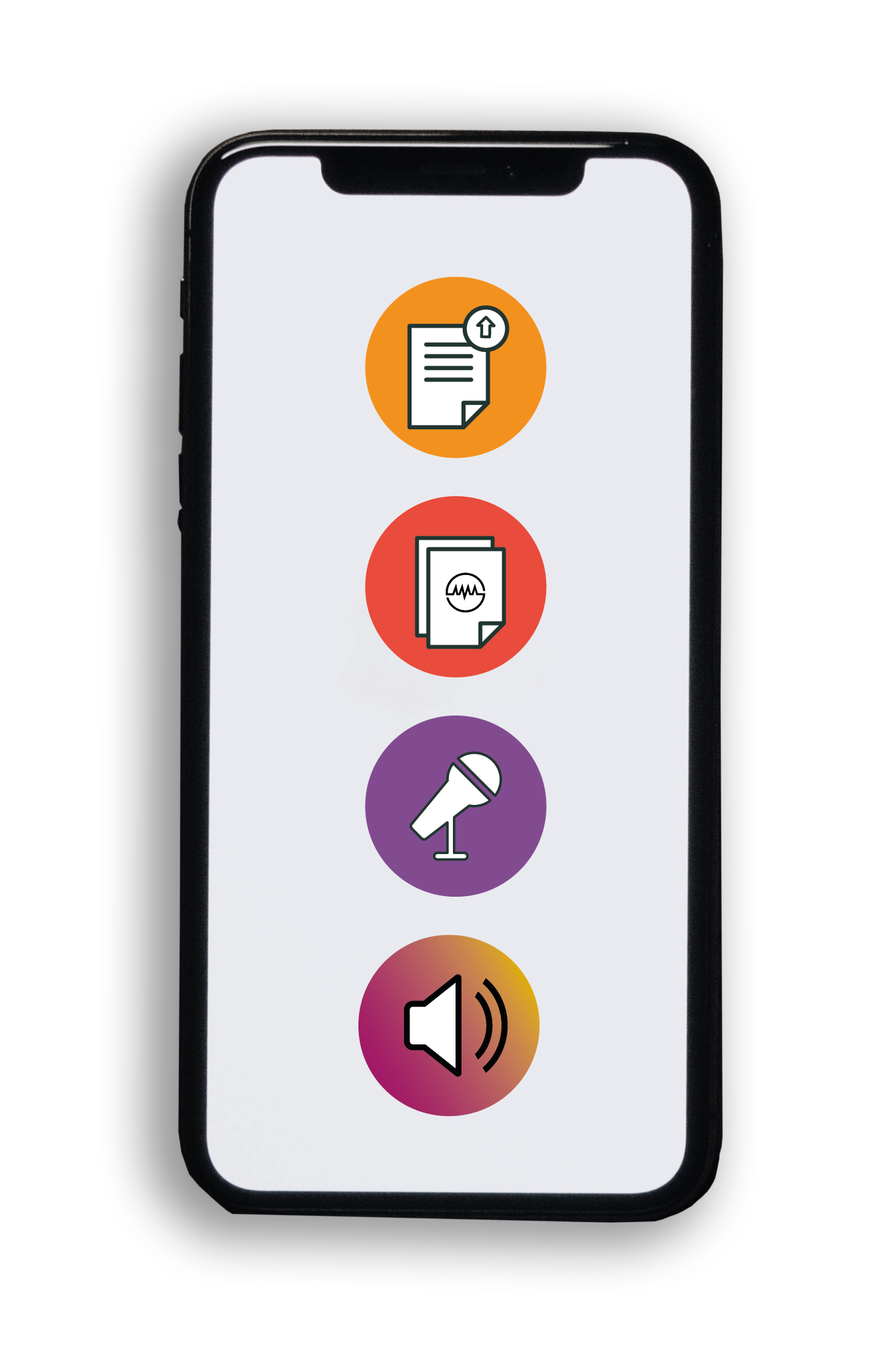
Step 1 Upload your science paper
Step 2 SciPod script written
Step 3 Voice audio recorded
Step 4 SciPod published