Can We Effectively Predict Earthquakes..? With Luca Dal Zilio
Resources mentioned:
Luca’s personal webpage: www.gps.caltech.edu/~dalzilio/
Twitter: https://twitter.com/lucadalzilio (@lucadalzilio)
Caltech SeismoLab: http://www.seismolab.caltech.edu
Geohazard International (GHI): https://www.geohaz.org
United States Geological Survey (USGS) Earthquake Hazards Program: https://earthquake.usgs.gov/learn/preparedness.php
More SciPods Radio episodes you may like

Dr. Yi Ding | When AI Polishes Our Words, Does It Polish Away Our Feelings?
Audiobook

About this episode
Every day, millions of people turn to artificial intelligence for help finding the right words. A rough email can become smoother, while a quick product review becomes polished and articulate with a minimum of effort. The changes can seem harmless, and often appear very helpful in clarifying our intended message. But what if polishing our language also quietly changes the emotional signals we had originally intended to convey? More
Original article reference
This Audio is based on the paper “Echoes of authenticity: Reclaiming human sentiment in the large language model era” in PNAS Nexus, https://doi.org/10.1093/pnasnexus/pgaf034
Contact
For further information, please contact Prof. Yi Ding at y.ding.1@wbs.ac.uk

What does this mean?
Share: You can copy and redistribute the material in any medium or format
Adapt: You can change, and build upon the material for any purpose, even commercially.
Credit: You must give appropriate credit, provide a link to the license, and indicate if changes were made.
Increase The Impact Of Your Research!
More episodes
Dr. Yi Ding | When AI Polishes Our Words, Does It Polish Away Our Feelings?
Prof. Grant Farred | When a Question Reveals a World: Race, Memory, and the Work of Thinking
Prof. Dr. Winnie-Karen Giera | Learning to Argue: How Debate, Planning and Strategy Can Build Better Writers
Dr. Kendra Pugh | Mapping the Hidden Geography of Gambling Risk
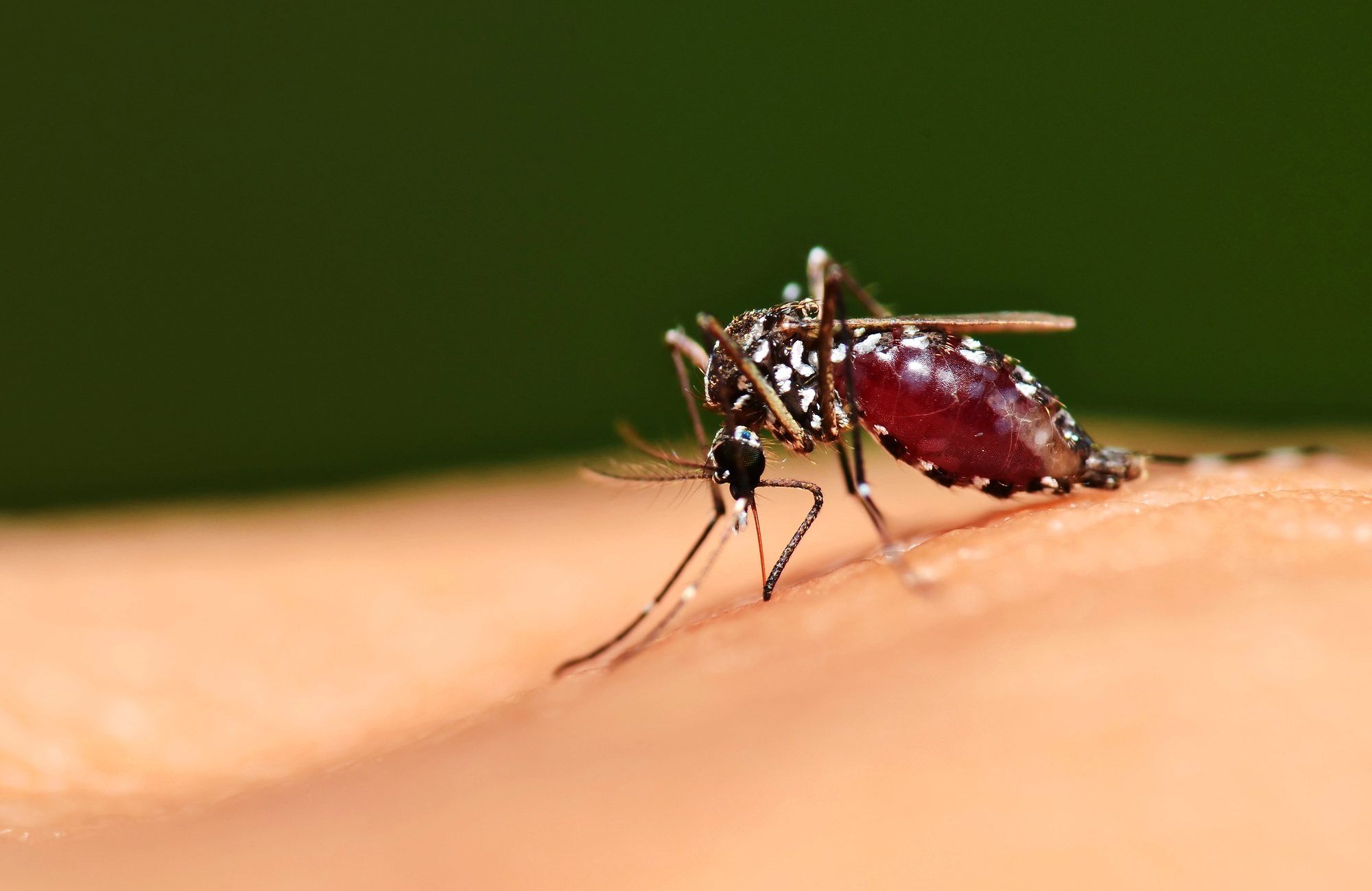
Dr. Shimaa Ghazal | Reading the Mosquito: What Two New Genomes Can Tell Us About Malaria
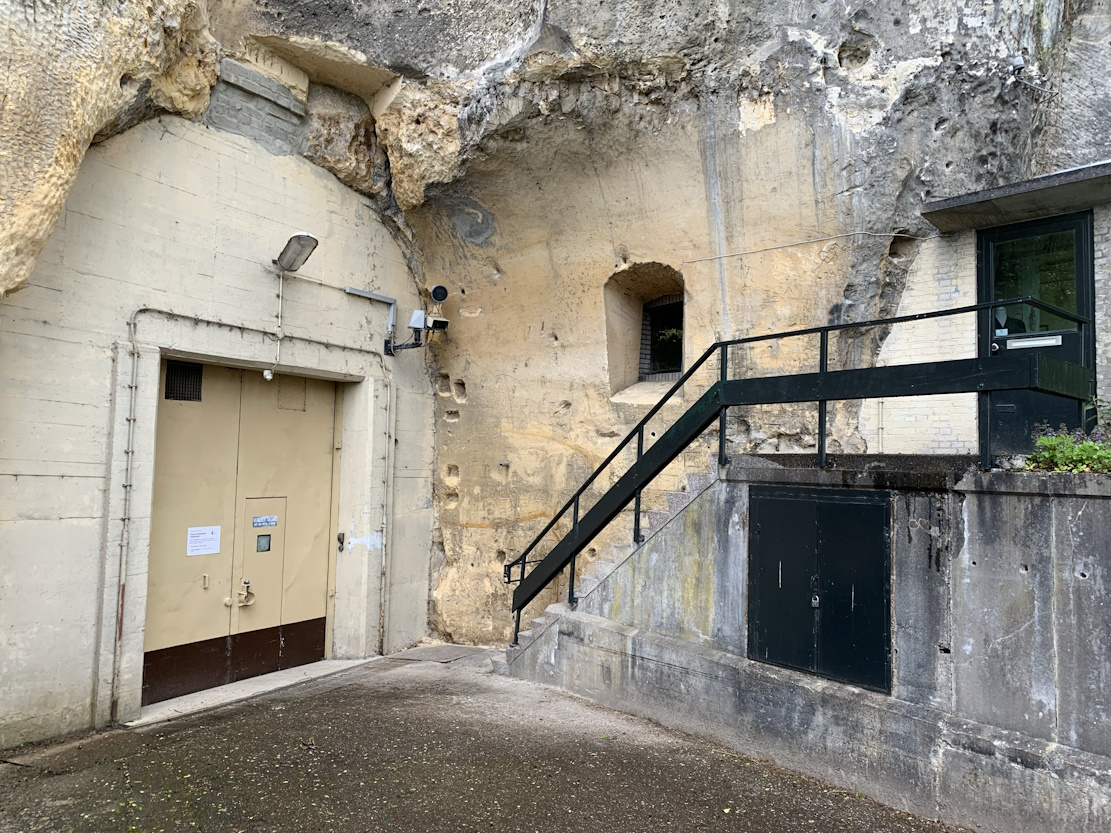

Ben de Vries | The Hidden Netherlands: Inside the Secret World of the Cold War

Prof. Grant Farred | When a Question Reveals a World: Race, Memory, and the Work of Thinking
Audiobook
About this episode
A man is raking leaves outside his own home on a crisp November afternoon in Ithaca, New York. The task is ordinary, even pleasurable: repetitive physical work in an affluent, leafy neighborhood. Then a white couple stop their car. The woman calls the man over and asks whether he would like another job. In a few seconds, an everyday scene becomes something much larger. The man is not a gardener looking for work. He is Grant Farred, a professor at Cornell University, and the garden is his own. Yet the woman’s question carries an assumption about who he is, what kind of work he does, and where a Black man apparently belongs in the social order. Farred’s account of this encounter becomes the starting point for a remarkable exploration of race, memory, language, and thinking. More
Original article reference
This Audio is based on Grant Farred’s pamphlet ‘Martin Heidegger Saved My Life’, published by the University of Minnesota Press in 2015 as part of the ‘Forerunners: Ideas First’ series.
Contact
For further information, you can contact Prof. Grant Farred at gaf38@cornell.edu
What does this mean?
Share: You can copy and redistribute the material in any medium or format
Adapt: You can change, and build upon the material for any purpose, even commercially.
Credit: You must give appropriate credit, provide a link to the license, and indicate if changes were made.
Increase The Impact Of Your Research!
More episodes
Dr. Yi Ding | When AI Polishes Our Words, Does It Polish Away Our Feelings?
Prof. Grant Farred | When a Question Reveals a World: Race, Memory, and the Work of Thinking
Prof. Dr. Winnie-Karen Giera | Learning to Argue: How Debate, Planning and Strategy Can Build Better Writers
Dr. Kendra Pugh | Mapping the Hidden Geography of Gambling Risk
Dr. Shimaa Ghazal | Reading the Mosquito: What Two New Genomes Can Tell Us About Malaria
Ben de Vries | The Hidden Netherlands: Inside the Secret World of the Cold War

Prof. Dr. Winnie-Karen Giera | Learning to Argue: How Debate, Planning and Strategy Can Build Better Writers
Audiobook
About this episode
What happens between having an opinion and writing a convincing argument? For many teenagers, the distance is surprisingly large. A student may argue energetically with friends, spot weaknesses in someone else’s reasoning, and explain why a rule seems unfair, yet struggle when asked to turn those abilities into a formal essay. On the page, there is no opponent waiting to respond and no immediate question demanding clarification. The writer has to create that dialogue alone. More
Original article reference
This Audio is a summary of the papers ‘Exploring the Power of Persuasion in Written Argumentation: A Mixed-Methods Pilot Study (QASA),’ in Journal of Applied Language Learning, retrieved from 10.33140/JALL.02.02.04, ‘From Cognition to Writing: Planning Activities in Digital Argumentative Texts of Ninth Graders in Two Different School Types,’ in Journal of Applied Language Learning, 10.33140/JALL.02.02.09, and ‘Merging Oral and Written Argumentation: Supporting Student Writing Through Debate and SRSD in Inclusive Classrooms,’ in Education Sciences, https://doi.org/10.3390/educsci15111471
Funding
This study “Fair Debattieren und Erörtern” was funded by the University of Potsdam, with the grant Start-up funding for young scientists from the Vice-President for Research (Giera/2021) received by the author Giera for the years 2021 until 2022 for research assistants. The pilot study “QASA” received no funding.
Institutional Review Board Statement: This study was conducted in accordance with the ethical guidelines outlined by the University of Potsdam’s ethics committee in accordance with the Declaration of Helsinki. Informed consent was obtained from all participants, and confidentiality was maintained throughout the study. Ethic Commission University of Potsdam (Link: https://www.uni-potsdam.de/de/senat/kommissionen-des-senats/ek (accessed on 5 October 2021), Approval Code: 54/2021 (Name: “Fair Debattieren und Erörtern (No 53/2021)”, Responsibility: Prof. Dr. Winnie-Karen Giera), Approval Date: 5 October 2021.
Informed Consent Statement: Informed consent was obtained from all subjects involved in the study. Also, written informed consent has been obtained from the patients to publish this paper.
Data Availability Statement: The data presented in this study are available on request from the corresponding author due to the requirements of the Brandenburg Ministry of Education and the Ethics Committee of the University of Potsdam.
Conflicts of Interest: The authors declare that there are no conflicts of interest regarding the publication of this paper.
Contact
For further information, you can contact Prof. Dr. Winnie-Karen Giera at winnie-karen.giera@uni-potsdam.de
What does this mean?
Share: You can copy and redistribute the material in any medium or format
Adapt: You can change, and build upon the material for any purpose, even commercially.
Credit: You must give appropriate credit, provide a link to the license, and indicate if changes were made.
Increase The Impact Of Your Research!
More episodes
Dr. Yi Ding | When AI Polishes Our Words, Does It Polish Away Our Feelings?
Prof. Grant Farred | When a Question Reveals a World: Race, Memory, and the Work of Thinking
Prof. Dr. Winnie-Karen Giera | Learning to Argue: How Debate, Planning and Strategy Can Build Better Writers
Dr. Kendra Pugh | Mapping the Hidden Geography of Gambling Risk
Dr. Shimaa Ghazal | Reading the Mosquito: What Two New Genomes Can Tell Us About Malaria
Ben de Vries | The Hidden Netherlands: Inside the Secret World of the Cold War

Dr. Kendra Pugh | Mapping the Hidden Geography of Gambling Risk
Audiobook
About this episode
A lottery ticket is small enough to slip into a pocket, but the forces that shape gambling behavior can stretch across families, neighborhoods, shopping districts, and entire communities. A Massachusetts study led by Dr. Kendra Pugh asks an important but deceptively simple question: when gambling becomes risky or problematic, how much depends on the person, and how much depends on the place? More
Original article reference
Dr. Kendra Pugh is an employee of the Department of Veterans Affairs; however, the project was not funded or monitored by the VA. The University of Massachusetts Boston Institutional Review Board served as the monitoring committee. The findings and interpretations are those of the authors and do not necessarily represent the views of the Department of Veterans Affairs.
This Audio is a summary of the paper “Individual and Neighborhood Risk and Protective Factors of At-Risk and Problem Gambling: a Spatial Analysis Using Geographic Information Systems,” in the Journal of Gambling Studies, https://doi.org/10.1007/s10899-026-10475-6
Contact
For further information, contact Dr. Kendra Pugh at Kendra.Pugh@va.gov
What does this mean?
Share: You can copy and redistribute the material in any medium or format
Adapt: You can change, and build upon the material for any purpose, even commercially.
Credit: You must give appropriate credit, provide a link to the license, and indicate if changes were made.
Increase The Impact Of Your Research!
More episodes
Dr. Yi Ding | When AI Polishes Our Words, Does It Polish Away Our Feelings?
Prof. Grant Farred | When a Question Reveals a World: Race, Memory, and the Work of Thinking
Prof. Dr. Winnie-Karen Giera | Learning to Argue: How Debate, Planning and Strategy Can Build Better Writers
Dr. Kendra Pugh | Mapping the Hidden Geography of Gambling Risk
Dr. Shimaa Ghazal | Reading the Mosquito: What Two New Genomes Can Tell Us About Malaria
Ben de Vries | The Hidden Netherlands: Inside the Secret World of the Cold War

Welcome to SciPod Radio
An exclusive interview series with leading scientists and science communicators
Also available on