
Working Together to Achieve a Better Future for the Horticultural Industry – Dr Lynda K Deeks, Dr Chantelle N Jay and Dr Laura H Vickers
Original Article Reference
https://doi.org/10.26320/SCIENTIA177
Share Episode

About this episode
 What does this mean? Share: You can copy and redistribute the material in any medium or format Adapt: You can change, and build upon the material for any purpose, even commercially. Credit: You must give appropriate credit, provide a link to the license, and indicate if changes were made.
Related episodes

Prof. Ariel Pakes | Should I Stay or Should I Go? The Hidden Forces Behind Your Health Plan Loyalty
If you ask someone in the United States whether to reconsider their health insurance plan choices, they may sigh, roll their eyes, and offer a story about navigating a maze of deductibles, networks, and confusing brochures. In practice, most people end up doing the simplest thing possible: they stay in the same plan they are already in. Economists have long noticed this pattern. Even when plans raise their prices or competitors offer better deals, people tend to remain where they are. This raises a fascinating question: do people stay because switching is difficult, or because they genuinely prefer the plan they already have? A new study by the economist Prof. Ariel Pakes of Harvard University, and colleagues Prof. Mark Shepard and Prof. Jack Porter, digs into this puzzle and uncovers some surprising answers. Although the study uses sophisticated mathematical tools, the insights are straightforward and important for anyone interested in how health insurance markets work.
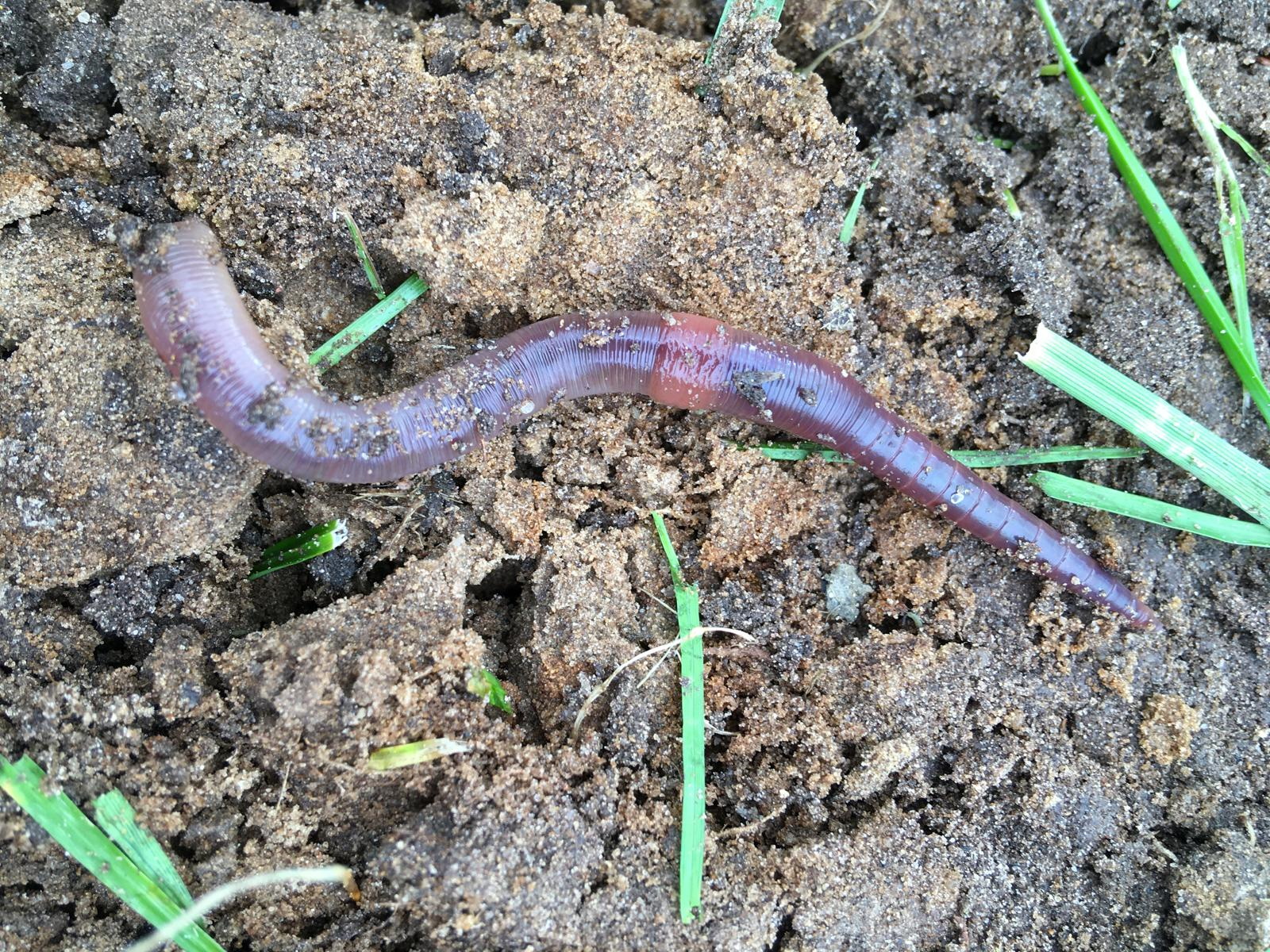
Roos van de Logt | Hidden Engineers: How Earthworms Could Help Us Weather a Changing Climate
If you were to observe a quiet Dutch pasture, you might not guess that one of the most important climate-resilience workers in the landscape is silently engineering the soil beneath the grass. However, just below your feet, an unassuming creature plays a role in buffering floods, preserving crops during droughts, and quietly maintaining the natural plumbing system of the land. This creature is the humble deep-burrowing earthworm, Lumbricus terrestris (or L. terrestris for short). In recent years, researcher Roos van de Logt of the Louis Bolk Institute, and colleagues, have been uncovering the surprisingly complex story of this earthworm. Their findings suggest that supporting, and in some cases reintroducing, L. terrestris could be a powerful, nature-based tool for helping European grasslands adapt to intensifying climate extremes.
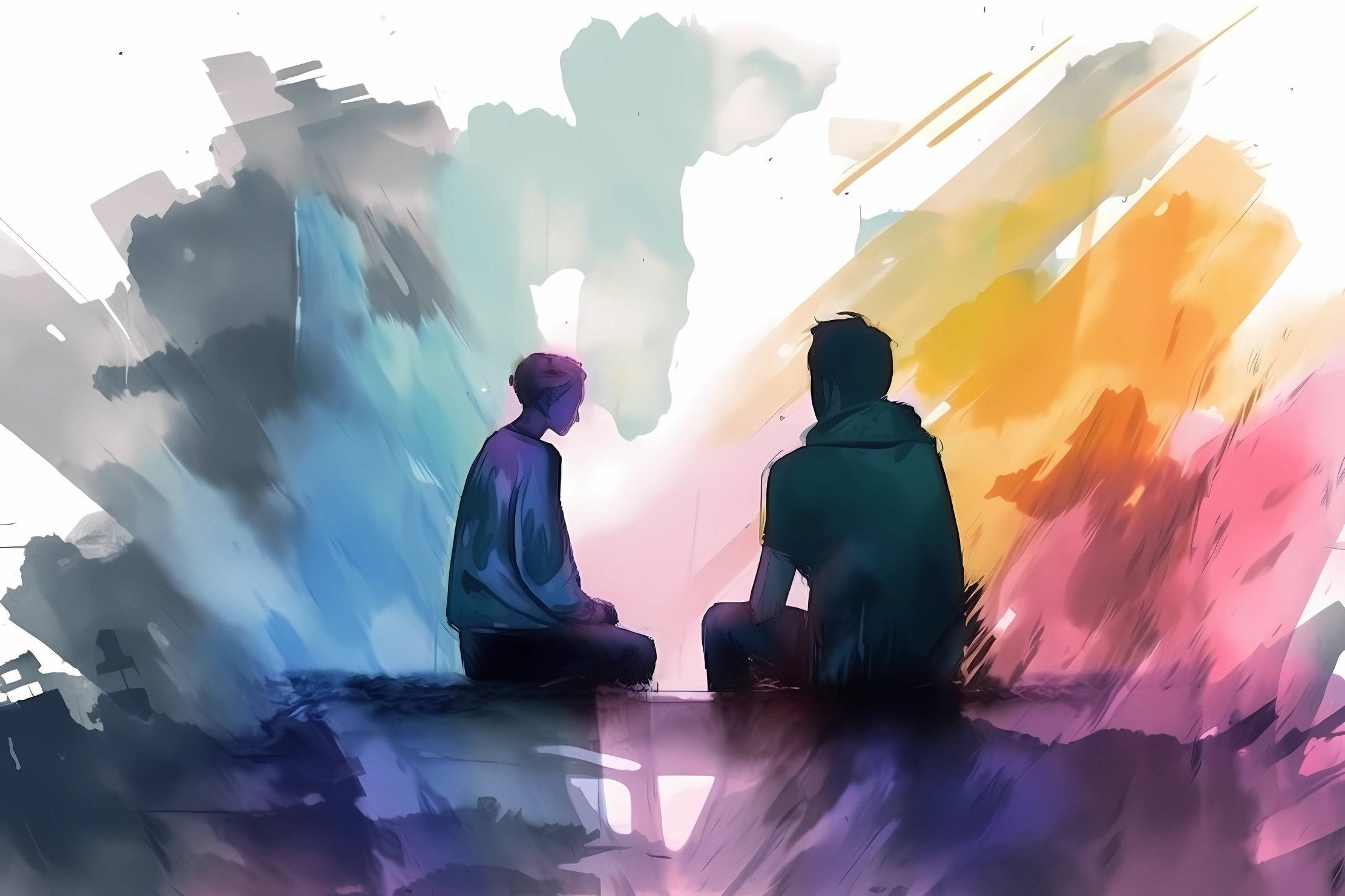
Dr Suzanne Coyle | Weaving Spirituality into Psychotherapy: How Stories Help Healing
As the practice of psychotherapy increasingly embraces the spiritual dimensions of the human experience, therapists are investigating new ways to weave faith and meaning into healing. Dr Suzanne Coyle, a licensed pastoral counsellor and family therapist, explores the role of spirituality in psychotherapy and how this intersection can support the journey of healing. Her work provides practitioners with the tools and knowledge to meaningfully integrate spirituality into clinical practice.
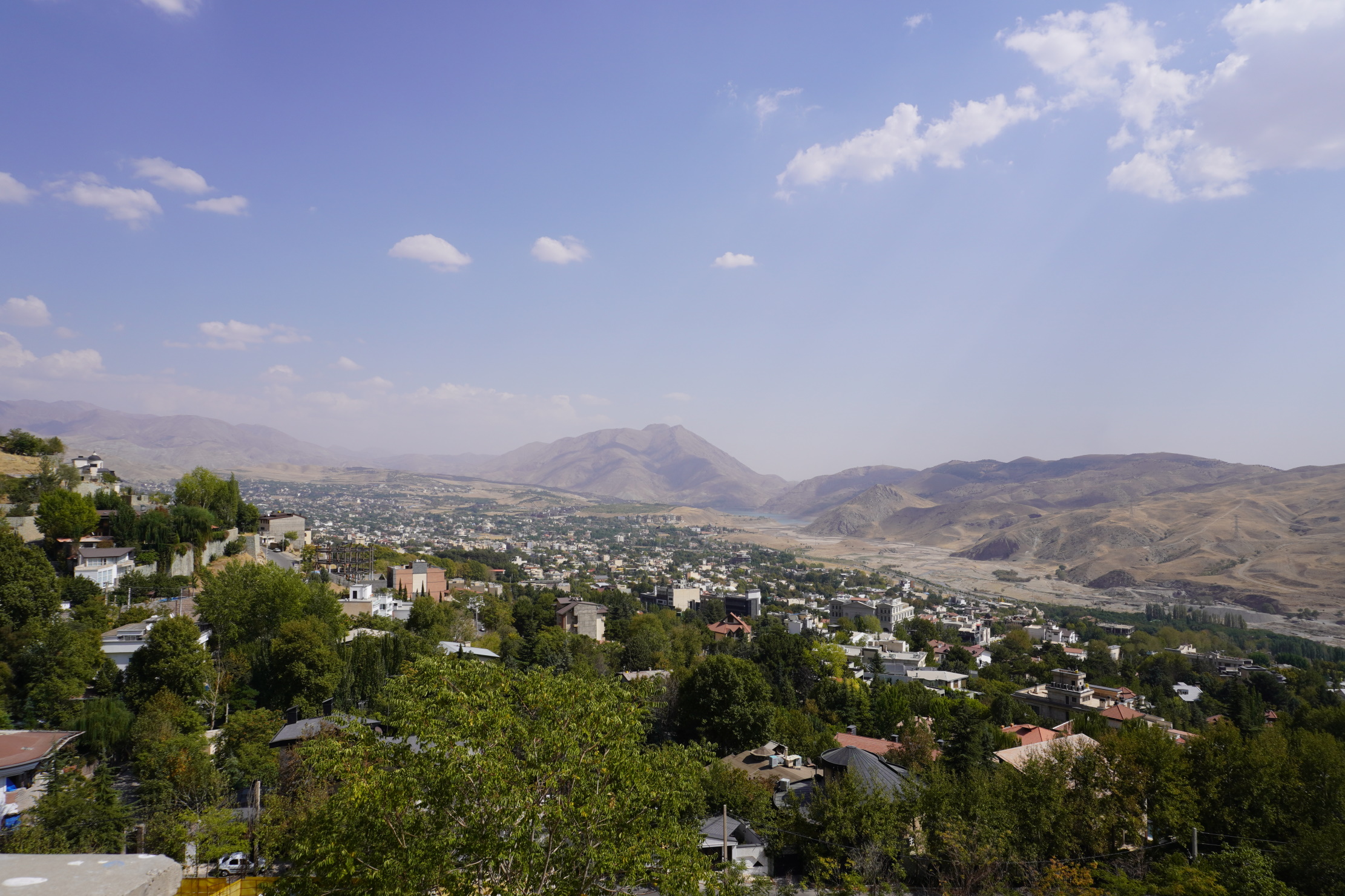
Prof. Satoshi Abe | The Unexpected Symbols Driving Iran’s Environmental Movement
If you walk through the bustling streets of Tehran, you might first notice the traffic, the densely packed apartments, or young people weaving through the city on motorbikes. But if you look a little closer, you may notice banners stretching across overpasses, tiny flags lining the perimeters of parks, or posters taped to walls, and you might just begin to sense something else humming quietly in the background: a story about nature, identity, and the nation itself. According to Prof. Satoshi Abe of Tottori University, Japan, who has researched environmental activism in Iran, the country is experiencing not just an environmental crisis, but an environmental reimagining. Iranians are not simply debating water shortages, air pollution, or endangered species, though they are certainly doing that. They are also wrestling with questions about what “nature” means within the story of Iran.
Increase the impact of your research