
by admin | Apr 25, 2018 | engineering and tech, physical sciences
The potential capabilities of universal quantum computers have many of us excited, but there’s one problem – we aren’t close to building complex, functional quantum computers just yet. In the meantime, scientists need to test the capabilities of quantum computing...
by admin | Apr 25, 2018 | engineering and tech, physical sciences
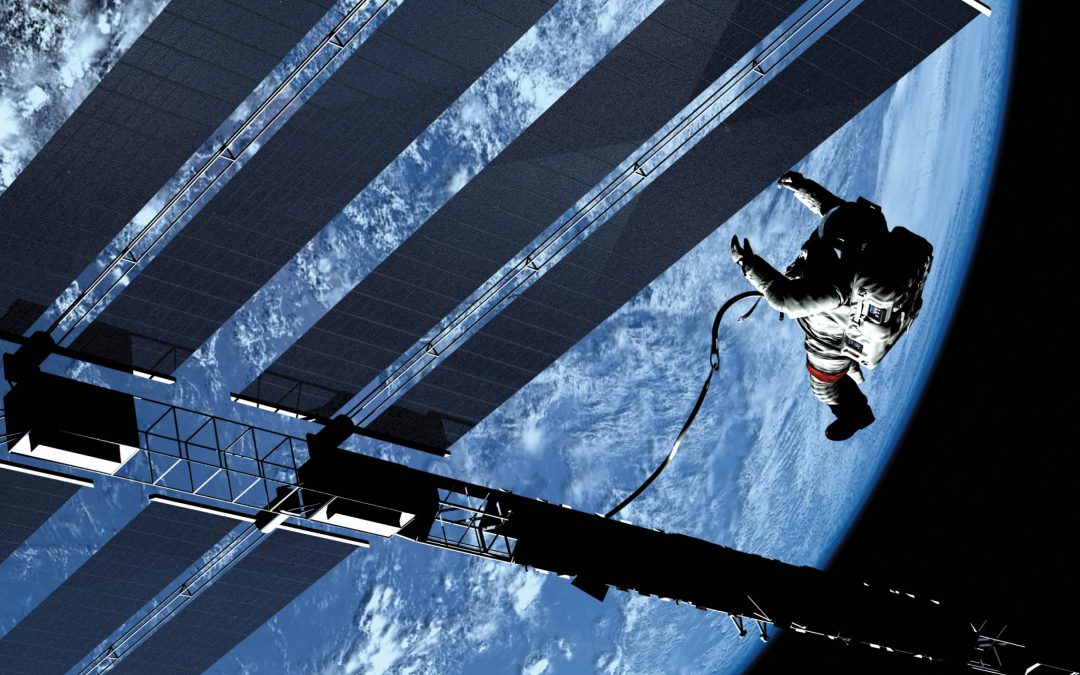
Professor Karen Feigh and Dr Matthew Miller from the Georgia Institute of Technology examine what support will be required when astronauts need to work outside in deep space, where communication with Earth takes tens of minutes. Software engineer, Cameron Pittman,...

by admin | Mar 27, 2018 | engineering and tech, physical sciences
From the metal in our cars to the circuits in our phones, the materials we use in our everyday lives can be meticulously engineered on a molecular scale to suit our requirements. However, there are so many possible arrangements of atoms and molecules at this scale...

by admin | Mar 21, 2018 | physical sciences
Algorithms are everywhere. From the targeted ads that flood your Facebook feed, to the split-second decision making of self-driving cars, they can be surprisingly simple or considerably complicated. At the University of Nevada, Dr Tscherbul and his research team are...

by admin | Mar 8, 2018 | engineering and tech, physical sciences
Original Article Reference https://doi.org/10.33548/SCIENTIA80 Share Episode Tweet Share 0 Reddit +1 Pocket Pinterest 0 LinkedIn 0 Email VKontakte Transcription Original ARTICLE About this episode Some of the best ideas in science are ones that seem completely...
by admin | Mar 8, 2018 | earth and environment, engineering and tech, physical sciences
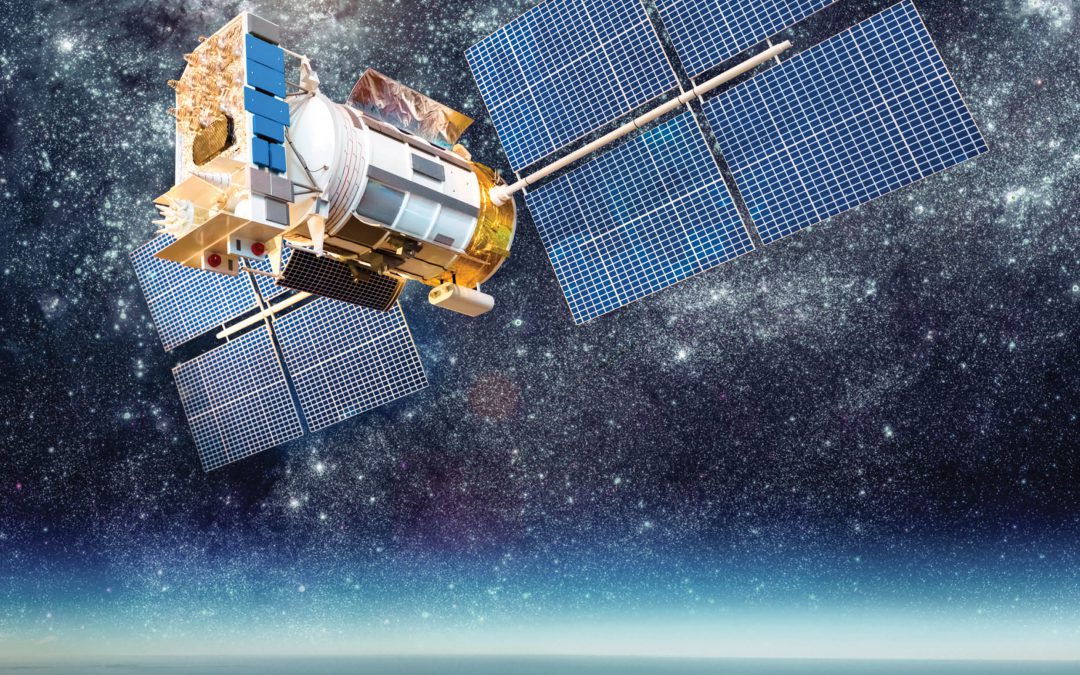
NASA’s satellite technologies have provided a wealth of data about the planet, and can be tailored into usable products to support major decision makers across the world. Vanessa M. Escobar and Molly E. Brown are working to bring these data products to decision-making...