by Iliyah Maddox | Mar 3, 2025 | health and medicine
Friction is no fun, and moving our joints freely and without pain requires that it is minimised as much as possible. Cartilage is the cushiony, slippery and translucent tissue that lines the ends of our long bones and acts as a lubricating layer within our joints to make their movements smooth and effortless, or at least that’s the theory. For millions of people, ease of joint movement is painfully disrupted by osteoarthritis, a condition that gradually and progressively erodes this protective and functional cartilage layer and leads to pain, stiffness, and reduced mobility. No fun at all. The work of Dr. Marina Danalache of the Department of Orthopedic Surgery at the University Hospital of Tübingen, Germany, and her colleagues sheds new light on how this cartilage breakdown begins and proceeds. Meet matrix metalloproteinase enzymes (or MMPs for short): master regulators of cartilage remodelling, balancing renewal and destruction. In osteoarthritis, this equilibrium shifts – the researchers are decoding their precise roles aiming to unlock targeted interventions and transformative therapies.

by Iliyah Maddox | Feb 28, 2025 | health and medicine
Each year, thousands of Australians undergo a procedure to have a cardiac device implanted. These devices, such as pacemakers and defibrillators, help to regulate the heartbeat. Such cardiac implantable electronic devices (or CIEDs for short) are vital for many patients, ensuring that their hearts function properly and preventing life-threatening conditions. However, as Professor William Heddle of Flinders University, Adelaide, Australia, a leading expert in cardiology, points out in a recent Editorial article in the Medical Journal of Australia, these procedures are not without risks, particularly the risk of infection. Prof. Heddle’s Editorial primarily focuses on a recent study conducted in New South Wales, Australia, which sheds light on the factors that increase the risk of CIED-related infections and offers insights into how these risks can be minimized.

by Iliyah Maddox | Feb 7, 2025 | health and medicine
Antibiotic resistance may prove to be one of the most significant health challenges we will face this century. As bacteria continue to evolve resistance mechanisms to our arsenal of antibiotics, infections could become a more serious prospect, and medical procedures with a substantial infection risk, such as open surgery, could become unacceptably risky. While antibiotic resistance is often considered to be a human problem, it’s also a growing issue in veterinary medicine. Our pets can also develop infections that are difficult to treat when resistant bacteria are involved. Moreover, as we frequently share a living space with such animals, there is potential for crossover of resistant bacteria to humans. In a far-reaching study, Dr. Robin Temmerman and his colleagues of the executive animal health study center (or CEESA), which is a consortium of animal health companies, shed light on this issue, exploring antibiotic resistance in bacterial urinary tract infections in dogs and cats across Europe. Their findings provide hope and a roadmap for tackling this global problem.

by Iliyah Maddox | Jan 31, 2025 | engineering and tech, health and medicine
Dr Patrick O’Neill of Pfizer, Ireland, and Professor Jie Wu of the National University of Singapore, and their team, have made groundbreaking advancements in the synthesis of 1,2,3-triazole – a key building block in the manufacture of a life-saving antibiotic. Replacing traditional batch processes, they developed a safer, more efficient method using continuous flow chemistry, which addresses potential global supply chain vulnerabilities. This innovative approach eliminates hazardous intermediates, improves reaction safety, and ensures a stable supply of 1,2,3-triazole for global pharmaceutical production.
by Iliyah Maddox | Jan 30, 2025 | health and medicine
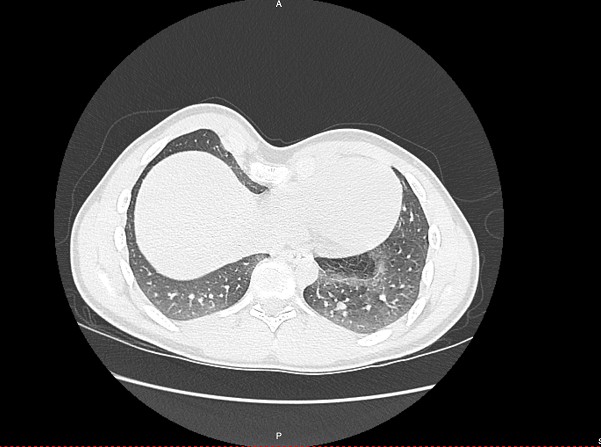
For a long time, deformities of the chest wall, such as pectus excavatum, a condition where the chest appears to have sunken, remained untreated or were treated using crude and invasive techniques. However, thanks to innovations led by surgeons such as Prof. Donald Nuss of Eastern Virginia Medical School, these procedures have undergone a remarkable transformation. Such work has shifted the paradigm from radical surgery to minimally invasive solutions, changing lives and restoring confidence for countless patients. Now, a Review Article published in the African Journal of Thoracic and Critical Care Medicine, and co-authored by Prof. Donald Nuss and Dr. Ivan Schewitz of the Department of Cardiothoracic Surgery at the University of Pretoria, South Africa, charts the remarkable progress in treating pectus excavatum.

by Iliyah Maddox | Jan 29, 2025 | health and medicine, social and behavioural sciences
In many regions around the globe, common mental health issues are cloaked in secrecy by those who experience them, and are frequently stigmatized and misunderstood by others. This is a particularly serious issue in conservative communities, where cultural and religious values have significant effects on the provision and use of appropriate mental health care resources. In a new mini-review article published in the journal Frontiers in Public Health, Dr. Mabrouka Abuhmida, Dr. Wendy Booth and Dr. Felix Anyanwu of the University of South Wales in the UK, have explored this critical topic, revealing the damaging impact of stigma in such communities, and exploring new solutions to enable adequate mental healthcare in this context.